
The Hidden Problems We Often Find in Fix-and-Flip Homes
Fix-and-flip homes have become increasingly popular across Florida. Many are beautifully renovated and move-in ready, but cosmetic improvements don’t always mean the home’s major systems have been updated.
As home inspectors, we regularly inspect recently renovated properties that impress buyers during the showing, yet still hide defects that can affect safety, insurability, comfort, and future repair costs.
A fresh coat of paint can transform a home’s appearance—but it doesn’t tell you what’s happening behind the walls, above the ceilings, or inside the attic.
Here are seven of the most common issues we find when inspecting fix-and-flip homes
1. Cloth Wiring Hidden Behind New Finishes
One of the most common surprises is discovering older cloth-covered wiring still in service.
Many investors replace visible components such as:
- Light fixtures
- Switches
- Receptacles
- Electrical panels
However, the original branch wiring inside the walls is sometimes left untouched.
Why does this matter?
Cloth wiring can be several decades old, and its insulation may deteriorate over time. While it is not automatically unsafe, aging insulation can increase the likelihood of electrical problems. In addition, some insurance companies may request additional information or recommend upgrades before providing coverage.
Many buyers assume a remodeled home includes a completely updated electrical system. Unfortunately, that’s not always the case.
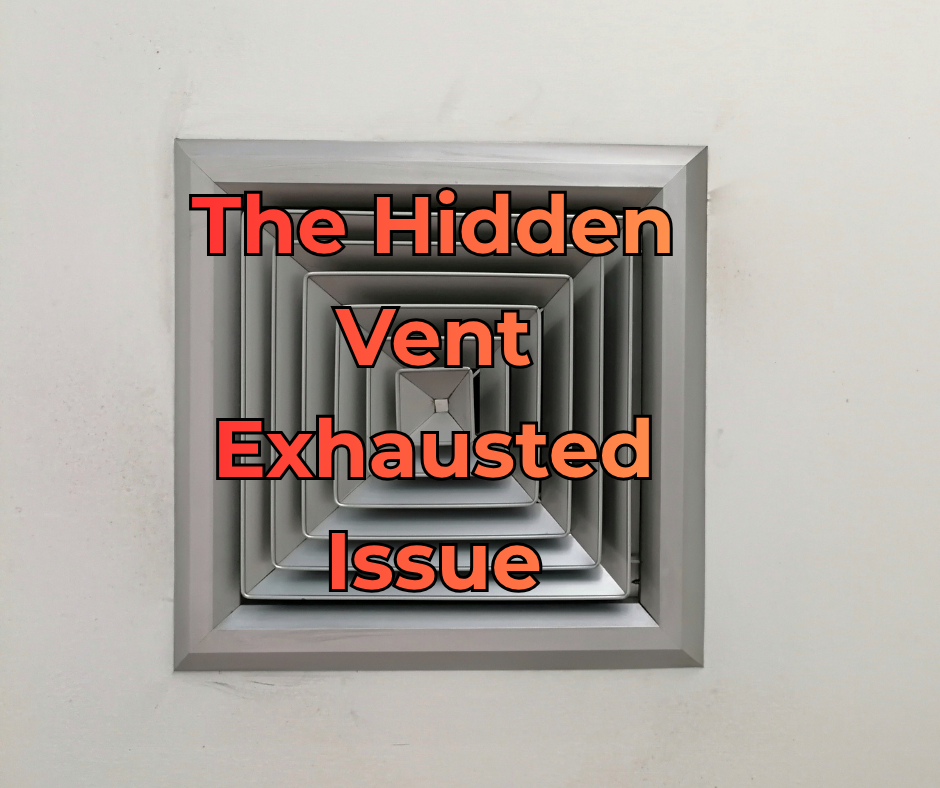
2. Bathroom Exhaust Fans Venting Into the Attic
This is another issue we encounter on a regular basis.
Bathroom exhaust fans are designed to remove warm, humid air from the home and discharge it outside.
Instead, we frequently find the duct terminating inside the attic.
Over time, this moisture can contribute to:
- Mold growth
- Wood deterioration
- Reduced insulation performance
- Elevated attic humidity
Because the problem is hidden inside the attic, many homeowners don’t discover it until moisture damage or mold becomes visible.
3. Ungrounded Electrical Outlets
Many flipped homes receive brand-new outlets and decorative wall plates.
However, appearance and safety are not always the same thing.
During testing, we often find modern three-prong outlets connected to older, ungrounded wiring.
An ungrounded outlet can:
- Reduce electrical safety
- Increase the risk of electric shock
- Offer less protection for sensitive electronics
- Indicate the home’s wiring has not been fully updated
A new outlet does not necessarily mean a new electrical system.
4. Missing GFCI Protection
Modern safety standards require Ground Fault Circuit Interrupter (GFCI) protection in areas where electricity and water may come into contact, including:
- Kitchens
- Bathrooms
- Garages
- Laundry rooms
- Exterior receptacles
Even in recently renovated homes, we frequently find missing, improperly wired, or non-functioning GFCI protection.
This simple safety device can significantly reduce the risk of electrical shock.
5. Improperly Installed HVAC Ductwork
A new thermostat or recently serviced air conditioner does not guarantee the system is operating efficiently.
During attic inspections we often discover:
- Disconnected ducts
- Crushed flexible ductwork
- Air leaks
- Poorly insulated ducts
These conditions can waste conditioned air inside the attic, increase energy costs, reduce comfort, and force the HVAC system to work harder than necessary.
6. Roof Repairs Hidden by Cosmetic Improvements
Many renovations focus on kitchens, bathrooms, flooring, and paint.
Meanwhile, the roof may still have:
- Aging shingles
- Previous repairs
- Improper flashing
- Evidence of leaks
- Deferred maintenance
Many buyers spend most of their time admiring the interior finishes and rarely evaluate the roof carefully, even though replacing a roof can be one of the largest expenses after closing
7. Hidden Moisture and Water Intrusion
Fresh paint can temporarily hide stains from previous leaks or repairs.
At ALEX Home Inspection Services, we don’t rely on visual observations alone. We use moisture meters—and when appropriate, thermal imaging—to help identify hidden moisture that may not be visible during a showing.
Our inspections often reveal:
- Active leaks
- Previous water damage
- Elevated moisture levels
- Areas that require additional evaluation
Water intrusion remains one of the most expensive problems homeowners face if left undiscovered.
How Buyers Can Protect Themselves
Buying a renovated home can be an excellent investment, but a few simple steps can help reduce unexpected surprises.
✔ Never skip the home inspection because the home looks newly renovated.
Cosmetic improvements do not reveal the condition of the home’s electrical, plumbing, HVAC, roofing, or structural systems.
✔ Ask whether the renovation was completed with permits.
Electrical, plumbing, roofing, and HVAC work often require permits. Requesting documentation can help you better understand what was actually updated.
✔ Hire an inspector who evaluates the entire home—not just what is visible.
A professional home inspection looks beyond the finishes to evaluate the systems that affect your family’s safety, comfort, and future maintenance costs.
Final Thoughts
Some of the most expensive defects we discover are completely hidden during a typical home showing.
As home inspectors, our job is to look beyond the cosmetic upgrades and evaluate the home’s major systems—including the electrical system, HVAC, plumbing, roofing, attic, and structural components.
Whether the home was renovated last month or twenty years ago, understanding its true condition before closing is one of the smartest investments a buyer can make.
At ALEX Home Inspection Services, we help buyers throughout Florida make informed decisions with detailed, unbiased inspections that reveal what fresh paint cannot.
Better Call Alex Team.
