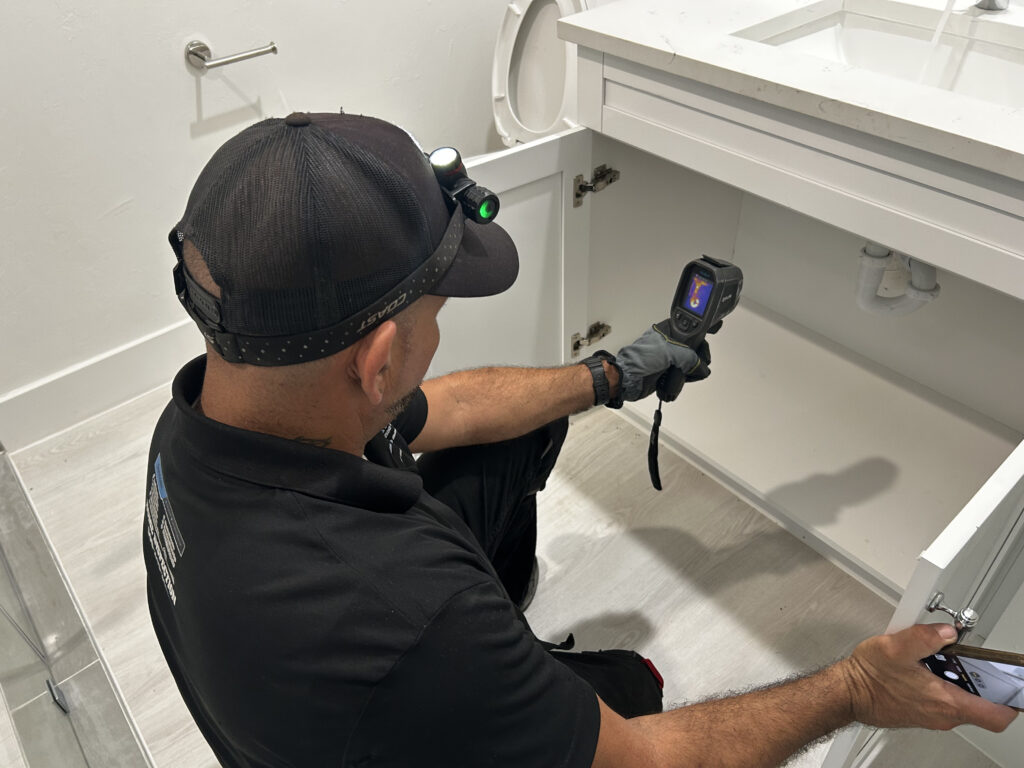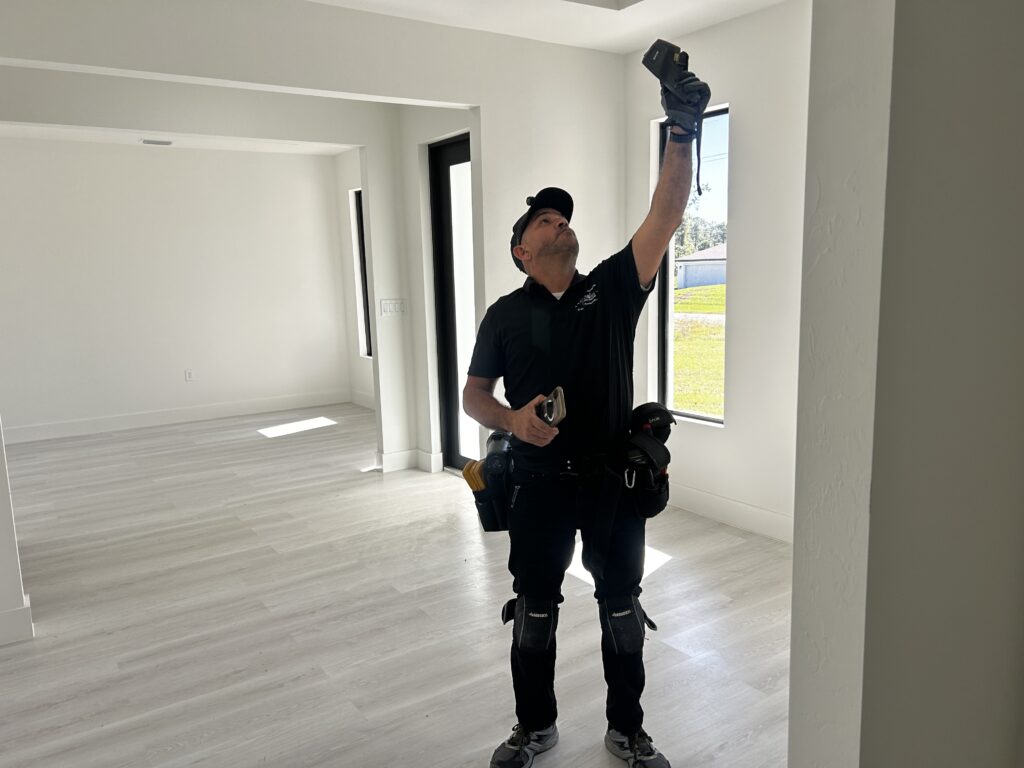

Welcome

Author name: Pedro

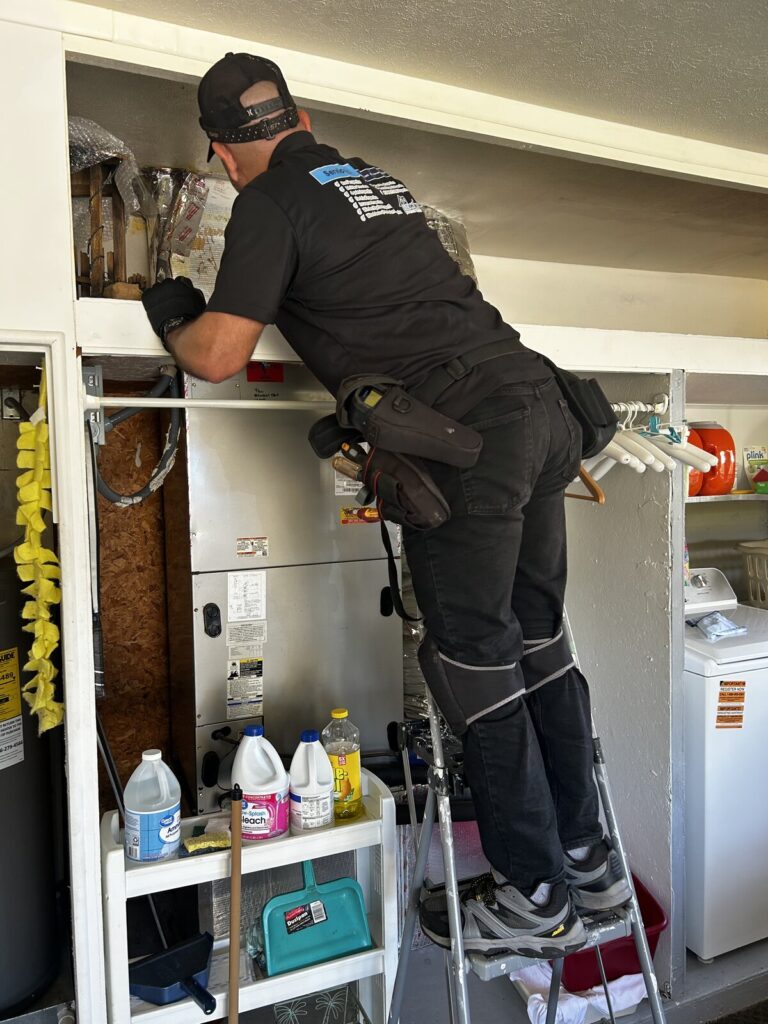
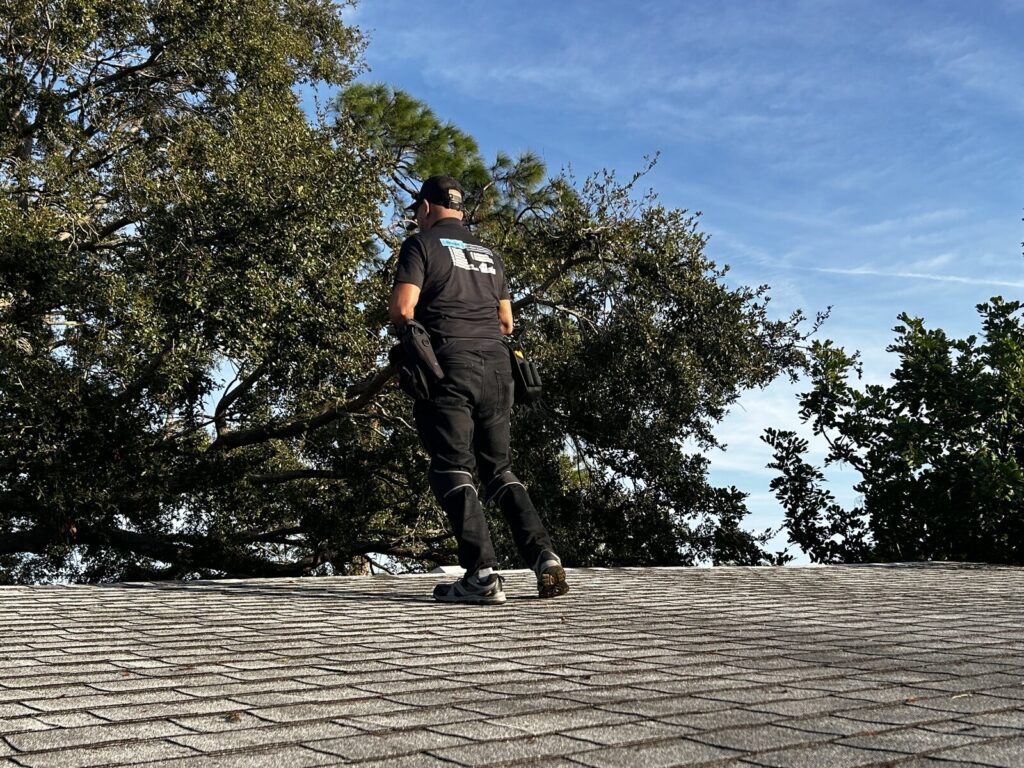
Florida 4-point inspection of HVAC and attic access by a licensed inspector
Home Insurance Inspection

Florida’s Hurricane Outlook Improved for 2026 — But Your Wind Mitigation Inspection Still Decides What You Pay

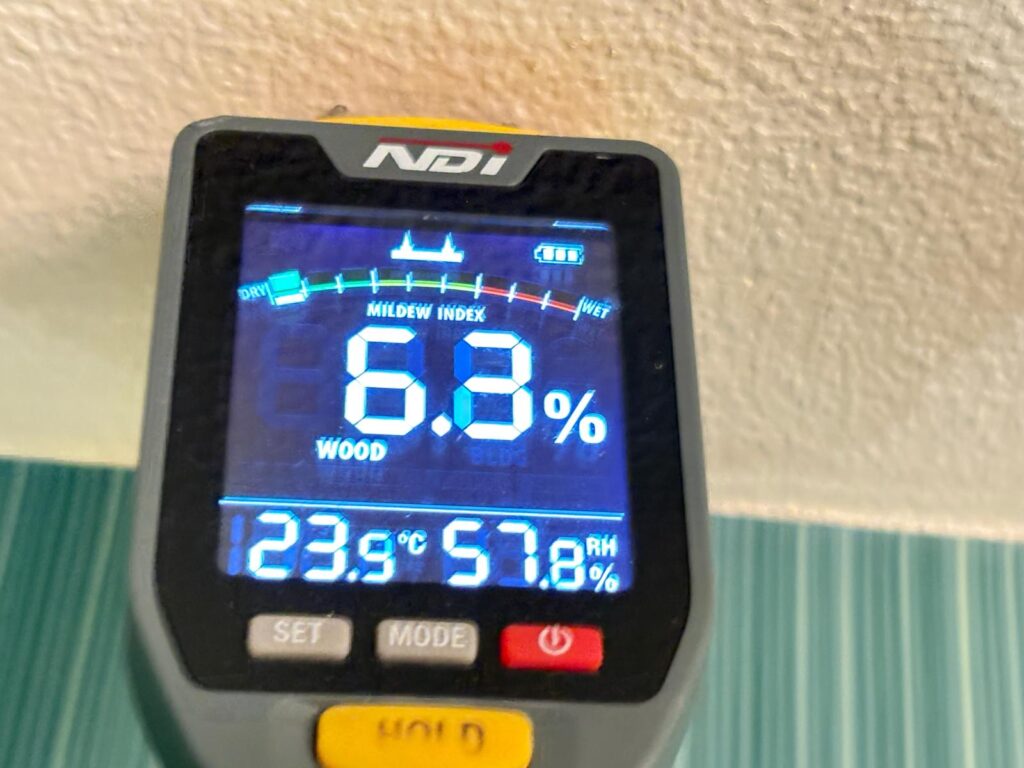
On August 6, NOAA updated its 2026 Atlantic hurricane season outlook and raised the probability of a below-average season from 55% to 75%, citing El Niño conditions in the Pacific that tend to suppress Atlantic storm development. The revised numbers call for 7 to 13 named storms and 2 to 6 hurricanes, with 0 to 2 reaching major hurricane strength — a step down from NOAA’s initial May forecast. So far in 2026, the season has produced two named storms, Arthur and Bertha, and no hurricanes. That is genuinely good news for Florida homeowners heading into the traditional peak of the season, which runs from mid-September through October. But a quieter forecast is not the same thing as a guarantee, and it has almost nothing to do with what you pay for windstorm coverage. That number is driven by a different factor entirely: whether your home has a current, properly documented wind mitigation inspection on file with your insurer. A Quieter Season Forecast Doesn’t Change Your Risk Profile NOAA’s seasonal outlooks describe overall Atlantic basin activity, not whether a storm will track toward Florida. A below-average season can still produce a landfalling hurricane — 1992’s Hurricane Andrew formed during a season that finished close to an average year overall. Insurers price windstorm risk based on a home’s construction, location, and documented mitigation features, not on a single season’s forecast. Nothing about NOAA’s update changes what your home needs to withstand wind events, or what your insurer needs to see on paper to reflect that in your premium. Florida’s Insurance Market Is Genuinely Improving — For a Specific Reason The backdrop here matters, and it’s worth understanding before you assume nothing has changed since your last renewal. The Florida Office of Insurance Regulation reported that home insurance rates decreased across the majority of counties through the first half of 2026, and Citizens Property Insurance approved rate filings that brought a statewide average reduction of roughly 8.7% at spring renewals. State officials reported that more than 330,000 Citizens policyholders across all 67 counties saw rate decreases this year, with South Florida seeing the largest cuts — Broward and Miami-Dade counties both averaged reductions near 14%. Citizens’ policy count has also fallen sharply, down to under 400,000 policies in early 2026, the lowest level in well over a decade, as more homeowners move back to private carriers through the state’s depopulation program. State officials attribute most of this improvement to litigation reform: the elimination of one-way attorney fees and assignment-of-benefits abuse, which drove down insurer losses and reinsurance costs, along with 17 new insurance companies entering the Florida market since the reforms passed. But rate relief at the market level doesn’t automatically show up on an individual homeowner’s bill. Wind mitigation credits are the mechanism that connects the two. Under Section 627.0629, Florida Statutes, insurers are required to offer premium discounts, credits, or reduced deductibles that reflect the reduced risk from documented wind-resistant construction features — and that requirement only applies to features an inspector has actually verified and reported. A home with excellent hurricane-resistant construction that has never been inspected, or was inspected years ago on an outdated form, isn’t receiving the full benefit the law entitles it to. Florida’s Wind Mitigation Form Just Changed — Again This is the part many homeowners miss. The form inspectors use to document those features, OIR-B1-1802, was revised effective April 1, 2026. The update, approved by the Florida Cabinet in September 2025, added performance-based options for roof-to-wall attachment classifications, allowing certain retrofit connectors to qualify for credit based on tested and documented uplift capacity rather than visual geometry alone. It also tightened documentation standards across the board — inspectors are now expected to support their findings with more specific photographic evidence and, where retrofit hardware is involved, manufacturer product-approval documentation. Every wind mitigation report is valid for up to five years, provided nothing material has changed at the property. That means plenty of homes in Florida are currently insured based on a report filled out on an older version of the form, or one that’s nearing its expiration without the homeowner realizing it. If your last inspection was done more than a few years ago, there’s a real chance it’s undervaluing features your home actually has, or missing newer retrofit options that could qualify for additional credit under the current standard. This applies even if you haven’t changed a single thing about your roof — the form itself, and what it’s able to recognize, is what changed. Switching Carriers Because of the Rate Relief? You’ll Need Fresh Paperwork With Citizens still moving policies to private carriers and more insurers competing for business in Florida this year, a lot of homeowners are shopping their coverage for the first time in years. New carriers don’t inherit your old wind mitigation report by default — most will ask for one before finalizing a quote, and some will only accept a report completed on the current OIR-B1-1802 form. The same is generally true for a 4-point inspection if your home is older. If you’re comparing quotes, accepting a Citizens takeout offer, or just renewing with a carrier that’s revising its underwriting criteria this year, a current wind mitigation inspection is often the difference between an estimated discount on a quote and a confirmed one on your actual bill. What a Wind Mitigation Inspection Actually Documents A wind mitigation inspection is a visual, non-invasive assessment focused entirely on how well a home is built to resist wind. It is not a substitute for a full home inspection, which looks at the overall condition of the roof, systems, and structure — it’s a narrower, insurance-specific evaluation. A licensed inspector records: Each of these carries statutory weight with insurers, which is why accuracy and current documentation matter more than most homeowners expect walking in. A roof-to-wall connection that was borderline under the old form’s visual-only standard, for example, may now qualify for a higher classification if a retrofit connector was installed

Florida insurance rates 2026 wind mitigation inspection
Home Insurance Inspection

Florida Insurance Rates Are Finally Falling in 2026 — What It Means for Your Home Inspection

Florida insurance rates are heading in a direction homeowners haven’t seen in years: down. After a stretch of hurricanes, insurer exits, and premium increases that made national headlines, new data from the Florida Office of Insurance Regulation shows a market that is genuinely stabilizing in 2026. Litigation is down sharply, new carriers are writing policies again, and some of the state’s largest insurers have filed for rate decreases. For home buyers and homeowners across Florida, that’s good news — but it isn’t automatic. Whether a specific property actually benefits from this shift usually comes down to what its inspection documentation says. A Sharp Drop in Insurance Litigation Florida’s share of the nation’s homeowners insurance lawsuits has fallen sharply since state lawmakers overhauled the claims litigation system. According to data the Florida Office of Insurance Regulation reported to Insurance Journal, Florida accounted for nearly 5% of homeowners insurance claims nationwide in 2025 but about 41% of related lawsuits. That’s a lopsided number, but it’s nearly half what it was in 2020, when Florida generated about 9% of the country’s homeowners claims and more than 79% of its claims lawsuits. The shift traces back to reforms the Florida Legislature approved in 2022 and 2023, which limited attorney fees in property insurance lawsuits and stopped policyholders from signing over insurance benefits to contractors — a practice known as assignment of benefits that had fueled years of litigation. Under the old system, a contractor could take over a homeowner’s claim, inflate the repair estimate, and sue the insurer directly if it didn’t pay in full, with the homeowner often left out of the negotiation entirely. Ending that practice removed a major driver of disputed claims. Fewer lawsuits generally means lower legal costs for insurers, which is one of the factors now feeding into rate filings — and, in theory, fewer disputed claims at renewal time for homeowners who file one. More Carriers Are Competing for Florida Business Again At least 20 new insurance carriers have entered the Florida market since the litigation reforms took effect. That matters because more competition tends to mean more coverage options and, eventually, downward pressure on price. Citizens Property Insurance, the state-backed insurer of last resort that swelled to roughly 1.4 million policies at the height of the crisis, had declined to about 294,000 policies by May 2026 as private insurers expanded and picked up market share, according to Fitch Ratings. Citizens itself is cutting rates by an average of 8.8% statewide beginning with spring 2026 renewals — the largest reduction in the insurer’s 24-year history. Heading into the year, the Florida Office of Insurance Regulation had received 73 filings for rate decreases and 94 filings for zero rate increases. That’s a meaningfully different picture than the years of near-universal double-digit increases Florida homeowners got used to after 2022. It’s also worth understanding why Citizens shrinking matters. Citizens exists as Florida’s insurer of last resort — coverage homeowners turn to when private carriers won’t write a policy, not the option most people want long-term. A falling Citizens policy count generally means private insurers are once again willing to take on risk they avoided a few years ago, which is a healthier long-term signal than a one-time rate cut on its own. Why Florida Insurance Rates Aren’t Falling Equally Everywhere None of this means every homeowner sees a lower bill this year. Premiums remain significantly higher than the national average in much of coastal Southwest Florida, and pricing still depends heavily on location, flood elevation, roof age, wind mitigation features, and claims history — the same variables insurers have always underwritten against. The market getting healthier doesn’t change how an individual policy gets priced; it changes how many carriers are willing to compete for that policy and on what terms. That’s exactly where inspection documentation comes in. Insurers don’t take a homeowner’s word for roof condition, electrical panel type, or hurricane-resistant features — they rely on a 4-point inspection and a wind mitigation inspection to verify them. Florida rolled out an updated wind mitigation inspection form on April 1, 2026, with insurers beginning to apply credits based on the new form starting in July. A home with outdated or missing inspection paperwork can miss out on the very discounts this improving market is supposed to deliver, simply because there’s no current documentation showing the insurer what’s actually protecting the house. Hurricane Season Adds a Wildcard Forecasters have trimmed their 2026 Atlantic hurricane season predictions, with Colorado State University and AccuWeather both citing El Niño conditions that tend to suppress storm development. The 2025 season produced 13 named storms but no direct hurricane landfall in Florida, giving insurers and reinsurers a break from catastrophic losses. A calmer 2026 season, if it holds, would give the market more room to keep stabilizing. September remains historically the riskiest month for Florida, particularly the southwest coast, and a single landfalling storm can reshape the outlook regardless of how favorable the preseason forecast looked. A quieter hurricane season is encouraging, but it isn’t a reason to skip the documentation that protects a home and a policy either way. Insurers price risk over the long run, not one season at a time, so a calm year doesn’t undo the underwriting standards carriers have adopted since 2022 — it just means fewer claims put those standards to the test this year. Questions Worth Asking Before You Assume You’re Covered A stabilizing market is a good moment to double check a few things rather than assume your existing policy or quote already reflects it. Ask when your home’s last wind mitigation inspection was performed, and whether it used the form in place before April 1, 2026 — an older report may not document features the updated form now credits. Ask when your last 4-point inspection was completed and whether it still reflects your roof, electrical panel, plumbing, and HVAC accurately, especially if any of those systems have been replaced or repaired since. And if you’re under contract

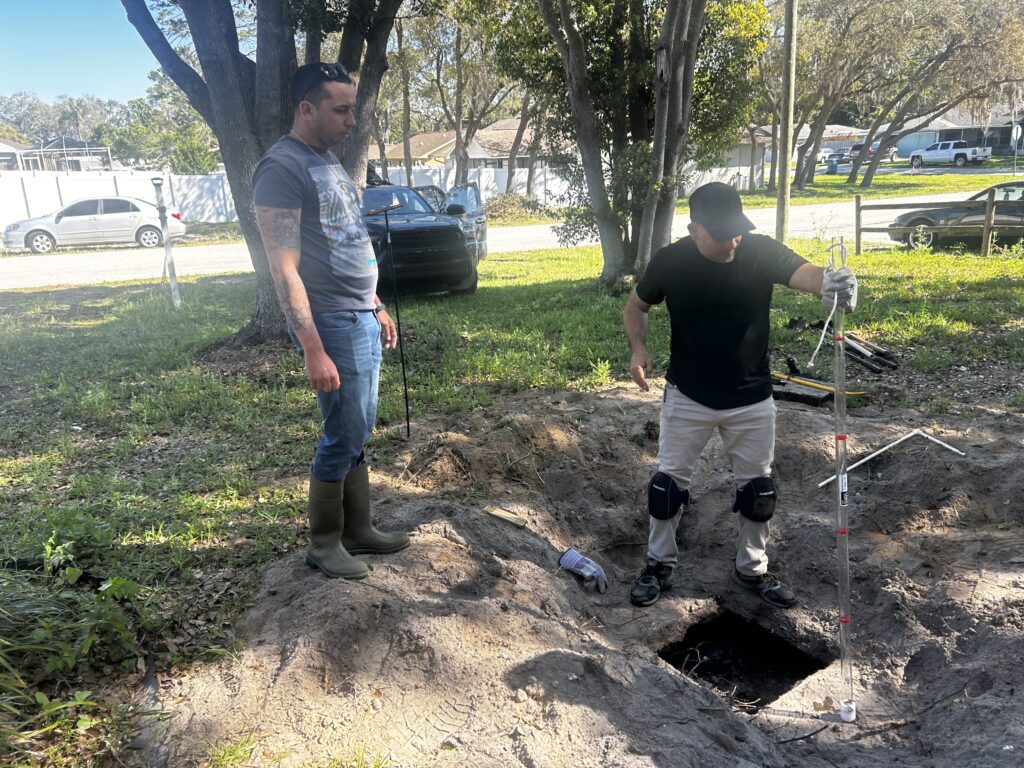
Florida septic law inspection: Alex Home Inspection Services checking a septic tank
Home Inspection Tools

Florida’s New Septic Law: What Homeowners and Buyers Need to Know in 2026

Florida septic law changed in a real way this year. Lawmakers rewrote a chunk of the state’s septic system rules, and the changes took effect July 1, 2026. If you own a home on a septic system anywhere in Florida — or you’re buying one — the update is worth understanding, because it touches permitting, upgrade deadlines, and how septic issues get handled in a real estate transaction. None of it replaces the value of an independent inspection, but it does shift a few of the rules around it. What the New Florida Septic Law Actually Changed The relevant changes arrived through House Bill 1417, which became Chapter 2026-2, Laws of Florida, and took effect July 1, 2026. Among the provisions that affect homeowners: The bill limits a prior requirement that certain properties with existing septic systems inside the Indian River Lagoon Protection Program area connect to central sewer or upgrade their system. That mandate now applies only to commercial or residential properties of 10 acres or less, and the compliance deadline was pushed from 2030 to 2035. If your property sits in that watershed and is larger than 10 acres, the connect-or-upgrade requirement no longer applies to you the way it used to. According to the legislature’s own staff analysis of the bill, it also removes the requirement that property owners obtain a biennial system operating permit from the Department of Environmental Protection for their septic systems. That renewal step had been a recurring compliance obligation for certain systems; under the new law, it’s gone. Statewide, Florida still regulates septic systems — an estimated 2.6 million of them — under Chapter 64E-6 of the Florida Administrative Code, administered through county health department offices. That framework hasn’t disappeared. What changed is narrower: fewer recurring permit renewals for some systems, and a longer runway for certain Indian River Lagoon-area properties to comply with sewer-connection rules. Why This Matters More If You’re Buying a Home Here’s the part that surprises a lot of buyers: Florida septic law does not let a government entity mandate an inspection at the point of sale. There’s no statewide rule that forces a septic check before closing, the way there is for a 4-point insurance inspection in some cases. Sellers are required to disclose known material defects they’re aware of — a failed drain field, a history of backups, a system that doesn’t meet current Department of Health standards — but they aren’t required to go looking for problems they don’t already know about. That gap is exactly why most experienced buyers and their agents build a septic inspection into the due diligence period anyway. FHA and VA loans typically require evidence of a functioning system, and an appraiser who spots signs of trouble can trigger a lender-required inspection before the loan clears. Waiving that inspection on a home outside municipal sewer service is a real gamble — repairing or replacing a failed drainfield is one of the more expensive surprises a new homeowner can inherit, and it’s not something a general walkthrough will catch. What a Professional Septic Inspection Actually Covers A proper septic inspection goes well beyond confirming a tank exists. It typically includes checking the tank’s structural condition and baffles, measuring effluent and scum layer levels, checking for solids buildup that signals the tank is due for pumping, and evaluating the drainfield for saturation, ponding, or surfacing effluent — the clearest sign a system is failing. Distance from wells and surface water, tank access and lid condition, and any unpermitted modifications get documented as well. On older homes, especially in areas that have shifted from septic to central sewer over the decades, an inspector may also flag systems that were never properly abandoned when a home was connected to municipal service. How Florida’s Climate Puts Extra Stress on Septic Systems Septic systems rely on unsaturated soil in the drainfield to filter and treat effluent before it reaches groundwater. Florida’s high water table works against that in a lot of the state, and the problem gets worse during the rainy season and hurricane season, which overlap from roughly June through November. When the water table rises close to the surface, a drainfield that was working fine in the dry season can suddenly have nowhere to send wastewater, and effluent can back up into the house or surface in the yard. That seasonal timing matters for anyone closing on a home right now. A system that looks fine during a dry-week walkthrough can behave very differently after a few inches of rain. An inspector who checks the drainfield for soil saturation, standing water, and unusually lush or spongy grass over the leach lines is looking for exactly the kind of problem that a homeowner won’t discover until the first heavy storm — often the one that matters most, since Florida is currently in the most active stretch of hurricane season. Common Septic Red Flags Homeowners Notice Too Late Slow drains throughout the house, gurgling sounds from toilets, sewage odors near the tank or drainfield, and unusually green or wet patches of lawn are all signs that a system is struggling. By the time these symptoms show up, the problem is often already past the point of a simple fix. A pre-purchase or annual inspection is meant to catch the earlier warning signs — a tank nearing capacity, a baffle starting to deteriorate, or a drainfield showing early signs of saturation — before they turn into a backup, an odor complaint from a neighbor, or a replacement that runs into real money. What the New Rules Mean for Current Homeowners Under the new Florida septic law, if your property is inside the Indian River Lagoon Protection Program area and larger than 10 acres, the 2035 deadline extension gives you more time before a mandatory upgrade or sewer connection applies — but it doesn’t mean the system stops aging in the meantime. If you’re anywhere else in the state and your system was subject to the old

Florida 4-point inspection of HVAC and attic access by a licensed inspector
Home Insurance Inspection

Switching Home Insurers in 2026? You’ll Still Need a Current 4-Point Inspection

Switching Home Insurers in 2026? You’ll Still Need a Current 4-Point Inspection Florida’s homeowners insurance market looks different than it did two years ago. Florida’s Office of Insurance Regulation has reported rate reductions across most of the state this year, more private carriers are writing new business, and Citizens Property Insurance Corporation has shed hundreds of thousands of policies back into the private market. For a lot of Florida homeowners, that adds up to one thing: an opportunity to shop for a better rate. But shopping for a new carrier still starts in the same place it always has — with a Florida 4-point inspection. But before any new carrier will bind a policy on a home that’s more than a couple of decades old, they’re almost certainly going to ask for one document first — a current 4-point inspection. Even if you already have one from a previous renewal, it may not be recent enough to satisfy a new insurer’s underwriting rules. Here’s what’s changed in the market, why the 4-point requirement isn’t going away, and what to expect if you’re shopping for coverage this year. Florida’s Insurance Market Is Loosening Up in 2026 After several difficult years, Florida’s property insurance market has shown real signs of stabilizing. The state’s Office of Insurance Regulation reported in late July that premiums were trending down in a majority of counties this year, and Citizens’ board approved an average statewide rate reduction for many multiperil homeowners policies heading into 2026 — the first meaningful decrease in Citizens’ personal-lines rates in roughly a decade. At the same time, more than a dozen new or returning private insurers have been approved to write business in Florida following the tort and litigation reforms passed in recent years, and Citizens’ depopulation program has moved a large share of its policies to private carriers. None of this means coverage is inexpensive, and every carrier prices risk differently based on location, construction, and claims history. But it does mean many Florida homeowners — especially those who have been sitting on a Citizens policy or an older policy with a non-renewal notice — have more real options to shop this year than they did in 2023 or 2024. Why a New Policy Still Requires a Fresh 4-Point Inspection Shopping for a new carrier doesn’t mean skipping underwriting. If your home is roughly 25 to 30 years old or older, most Florida insurers require a 4-point inspection before they’ll issue a new policy, regardless of how competitive their rate is. An inspection completed for your current carrier two or three years ago generally won’t transfer — each insurer sets its own acceptable “age” for a report, and many want one completed within the last several months as part of a new application. The logic is straightforward from an underwriting standpoint. A 4-point inspection tells a new carrier whether the major systems in an older home have been maintained or upgraded, or whether they represent a claims risk the carrier isn’t willing to take on sight unseen. Homeowners who assume a lower quoted rate will simply carry over from their old policy are often surprised when the new carrier’s underwriting department comes back asking for a current report before the policy can be finalized. What a Florida 4-Point Inspection Actually Covers Unlike a full home inspection, a 4-point inspection is a focused evaluation of four systems that insurers consider the biggest sources of claims risk in an older home: The inspector documents each system with photos and a short narrative, and the completed form goes to the insurer’s underwriting department. If a system is flagged, that doesn’t automatically mean a declined policy — it often just means the carrier wants documentation that a specific repair was made, such as replacing an outdated panel or re-piping a section of plumbing, before coverage is finalized. 4-Point vs. Wind Mitigation: Two Different Forms Homeowners shopping for a new policy are frequently asked for both a 4-point inspection and a wind mitigation inspection, and it’s easy to confuse the two. The 4-point report tells an insurer whether your home’s major systems are insurable risks. The wind mitigation report, by contrast, documents storm-resistant construction features — roof-to-wall connections, roof covering type, and opening protection — that can qualify a home for premium credits under Florida’s wind mitigation discount rules. They’re separate forms with separate purposes, but because both typically require access to the attic, roofline, and electrical panel, most Florida inspectors — including our team — can complete both during the same visit. What Happens If You Skip It or Let It Lapse Delaying a required 4-point inspection is one of the more common reasons a new policy gets held up mid-transaction. Underwriters generally won’t finalize a binder without the completed form in hand, which can leave a homeowner without confirmed coverage right up against a closing date or an existing policy’s expiration. For homeowners who are already on a non-renewal notice from their current carrier, the timeline is even tighter — there’s often a hard deadline to secure new coverage before a lapse. It’s also worth noting that a 4-point inspection isn’t a one-time requirement. Even homeowners who stay with the same carrier may be asked for an updated report every few years, particularly after the home crosses certain age thresholds or if the carrier changes its underwriting guidelines. Timing Your Inspection While You’re Shopping for a Policy If you’re comparing quotes from multiple carriers this year, it makes sense to have a current 4-point inspection report in hand before you get too far into the process. A single report can typically be submitted to more than one insurer or agent while you compare offers, rather than waiting until you’ve settled on a carrier and then scrambling to schedule an inspection against a binder deadline. This is especially useful for buyers who are purchasing an older home and know from the outset that insurance shopping will be part of the closing process. Realtors working

Well pump and pressure tank system inspected for PFAS in well water testing, Florida home
Home Inspection Tools

PFAS in Well Water: What Florida Homebuyers Should Know Before Closing

PFAS in well water is a growing concern for Florida buyers, and nobody is required to test for it if the home you’re buying gets its water from a private well. These “forever chemicals” are now regulated in public drinking water systems nationwide, so public utilities have to test and treat for them. Private wells do not. That gap has become a bigger story in our part of Florida over the last few months, and it is one more reason a water quality lab test belongs on the closing checklist for any home with a well. PFAS in Well Water: Why the EPA Started Regulating It PFAS (per- and polyfluoroalkyl substances) are a group of manufactured chemicals used for decades in things like nonstick cookware, firefighting foam, water-resistant fabrics, and some industrial processes. They are called “forever chemicals” because they break down extremely slowly in the environment and in the human body. Research has linked long-term PFAS exposure to a range of health concerns, which is why the EPA finalized the first-ever national Primary Drinking Water Regulation for PFAS in April 2024, setting enforceable limits of 4 parts per trillion for PFOA and PFOS, two of the most common PFAS compounds, along with limits for several others. That regulation applies to community water systems and non-transient non-community systems, the utilities that supply most cities and towns. It does not apply to private wells. The EPA is explicit about this: well water is not covered by the Safe Drinking Water Act, and a private well is only tested if the owner arranges and pays for it. In practical terms, that means two houses on the same street can have very different water safety pictures if one is on the utility grid and the other pulls from a well. It’s worth being clear about what the research does and doesn’t show. Studies on PFAS exposure are still developing, and results vary by compound, concentration, and duration of exposure, which is exactly why the EPA moved to set enforceable numeric limits rather than leave it as a general concern. The point for a homeowner isn’t to assume the worst, it’s that a lab test replaces uncertainty with an actual number you can compare against a known standard. What’s Turning Up Locally This isn’t a hypothetical concern for our area. University of Florida researchers sampling surface water across Sarasota County found PFAS compounds in roughly 70% of samples, with the highest concentrations detected around North Port. Suncoast Waterkeeper, a regional nonprofit, has been running a “Forever Free” PFAS testing program offering free sampling kits to residents of Manatee and Sarasota counties, and has already identified several PFAS compounds, including PFOA and PFOS, among the samples processed so far. Further north, elevated PFAS levels have also been found in a cluster of private wells near Tallahassee, prompting county and state officials to expand monitoring in that area. The detail that matters most for well owners: Suncoast Waterkeeper’s free program currently excludes private well systems. Free testing is going to residents on municipal or community water. If your water comes from a well, that free option isn’t on the table right now, and the responsibility for testing falls entirely on the homeowner. Why This Matters at the Closing Table, Not Just After Move-In A real estate transaction is the one point where a buyer has real leverage to find out what they’re inheriting before it becomes their problem. Standard home inspections cover the well equipment, pressure, and flow, but a general inspection is not a substitute for a laboratory water quality analysis. PFAS, along with bacteria, nitrates, and other contaminants, can only be identified through certified lab testing of a water sample, not through a visual inspection of the pump and pressure tank. For a buyer, that distinction matters because remediation options exist and can be planned for before closing, whereas discovering a contamination issue after you’ve moved in turns it into an unplanned, on-your-own project. For a seller working with a real estate agent, disclosing a clean water test can also remove a point of hesitation for a nervous buyer. If a Test Comes Back Positive Finding a contaminant on a lab report is not the same as having an unlivable house. Depending on what’s detected and at what concentration, options range from point-of-use filtration at the kitchen tap to whole-house treatment systems such as reverse osmosis, activated carbon, or ion exchange, each suited to different contaminants and budgets. The lab report itself typically tells you which compounds exceed a health-based threshold, which gives you and, if you’re buying, your realtor and closing attorney, something concrete to negotiate around rather than a vague worry. That’s a very different position than finding out after closing that the water needs attention. Storm Season Adds Another Layer The University of Florida’s IFAS Extension has also been running a free webinar series this year specifically focused on protecting well water and septic systems through hurricane season. Flooding can push contaminants, including bacteria and, in some cases, PFAS-laden runoff, into shallow wells, and storm damage to wellheads or septic drain fields is a common cause of water quality problems that show up weeks after a storm has passed. If you already own a home with a well, testing before hurricane season and again afterward is a reasonable habit, not just a one-time, at-purchase step. What a Water Quality Lab Test Actually Checks A proper water quality lab test goes well beyond a PFAS panel. Depending on the scope, testing can screen for coliform bacteria and E. coli, nitrates and nitrites (common near septic systems and agricultural land), lead and other heavy metals, hardness and mineral content, and PFAS compounds where that’s a relevant concern for the area. The sample goes to a certified lab, and results typically come back with clear pass/fail thresholds tied to EPA and Florida Department of Health standards, so a buyer or homeowner isn’t left guessing what a number means. Our Recommendation on PFAS in

Sewer camera inspection footage inside an older Florida home's drain line
Home Inspection Tools

What a Sewer Camera Inspection Reveals in Florida’s Older Homes

A sewer camera inspection is the check many Florida buyers skip, and it’s the one that most often catches what a standard walkthrough misses. A standard home inspection can tell you a lot about a house. It cannot tell you what’s happening in the sewer line running from the house to the street, buried under a concrete slab or several feet of Florida soil. That gap matters more in 2026 than it used to, as Florida’s insurance market pays closer attention to every aging system in a home — and the sewer lateral is one of the few that a routine inspection, or even a four-point inspection, was never designed to see. A sewer camera inspection, sometimes called a sewer scope, closes that gap. A trained technician feeds a waterproof camera down the main drain line and records exactly what condition the pipe is in from the house to the connection point at the street or septic tank. For homes built more than a few decades ago, particularly across the older neighborhoods scattered throughout Florida, that footage often tells a very different story than what’s visible above ground. Why a Standard Inspection Stops at the Drain, Not Inside It A general home inspection checks that plumbing fixtures work: faucets run, toilets flush, drains clear without backing up. What it cannot do is see through a concrete slab or several feet of soil to evaluate the physical condition of the pipe itself. A drain can flush normally the week before a root intrusion finally closes it off, or the week before a corroded joint finally gives way. Visual and functional testing simply were not built to catch that. A four-point inspection, which nearly all Florida insurers require before writing or renewing a policy on a home 20 years or older, goes a step further by documenting the condition of the roof, electrical panel, HVAC system, and plumbing. But even a four-point inspection is a visual review of what’s accessible — supply lines, water heater, visible pipe connections. It does not include a camera run through the sewer lateral. That line, and whatever is happening inside it, stays out of view unless someone specifically scopes it. That’s exactly the gap a sewer camera inspection is built to close. What’s Actually Buried Under Older Florida Homes The pipe material matters enormously, and it varies a lot depending on when a home was built. Homes constructed from the 1940s through the early 1980s commonly used cast iron drain lines, which corrode from the inside out in Florida’s humid, often salty soil conditions and are commonly cited as having a working lifespan in the range of 40 to 60 years. Homes from roughly the 1950s through the 1970s sometimes used Orangeburg pipe, a tar-paper composite material with a maximum service life generally put around 50 years — meaning a lot of Orangeburg still in the ground is already at or past the end of its intended run. Clay pipe shows up in some older systems as well, and while durable in some respects, it is prone to cracking and root intrusion at its joints over time. None of this shows up on a listing photo or a walkthrough. A sewer camera inspection is what brings it into view, run through the line itself. The 2026 Insurance Backdrop: Why Aging Systems Are Under More Scrutiny Florida’s property insurance market has been going through a real recalibration. Regulators have reported a meaningful decline in litigation tied to residential property claims over the past couple of years, and several carriers have filed rate decreases for 2026 as loss ratios have improved. That stabilization has come with a trade-off for homeowners with older systems: as insurers regain confidence in the overall market, many are applying more scrutiny, not less, to the individual homes they insure — especially anything built before the 1990s. Four-point inspections are the clearest example. Citizens Property Insurance Corporation, the state’s insurer of last resort, will not write new coverage on a home over 20 years old that still has polybutylene supply piping, regardless of that home’s leak history. That is a plumbing material issue, not a sewer line issue, but it illustrates the broader pattern: insurers are increasingly unwilling to take pipe condition on faith, and buyers and owners who can document the actual condition of a home’s systems, sewer line included, are in a stronger position at renewal or underwriting time. There’s also a practical, statutory reason to get ahead of hidden pipe problems rather than wait for a failure. Under Florida Statute 627.70132, a homeowner generally has one year from the date of loss to file a new property insurance claim. Water damage is consistently one of the most common categories of homeowners insurance claims nationally, according to the Insurance Information Institute. A slow, hidden sewer failure that finally surfaces as standing water, a sinkhole near the foundation, or a sewage backup does not come with a clear “date of loss” the way a burst pipe does, which can make the claims and documentation process more complicated. Having a baseline camera inspection on file, whether at purchase or as part of routine maintenance, gives a homeowner and their insurer a clear point of reference. What a Sewer Camera Inspection Actually Finds The most common issues a camera turns up in older Florida homes include root intrusion at pipe joints, especially where mature trees or landscaping sit near the lateral line; bellies or sags in the pipe where sections have settled unevenly, allowing waste and water to pool instead of draining; and corrosion and flaking on the interior walls of cast iron pipe. Other findings include cracked or separated joints in clay or Orangeburg sections, and in the more serious cases, partial or full collapse of a section of pipe. Every one of these can exist for months or years while the plumbing above ground continues to function normally, which is exactly why so many buyers are surprised to learn about a problem

Licensed Florida home inspector examining roof rafters during a four-point insurance inspection
Home Insurance Inspection

Florida Home Inspection Checklist: The Red Flags That Decide Whether You Can Insure the House

In most states, a home inspection is about negotiation. You find out what is wrong, you ask the seller to fix it or discount it, and you close. In Florida, it is bigger than that. Here, what an inspector writes down can determine whether an insurance company will cover the house at all — and if you cannot insure it, you generally cannot get a mortgage on it. That makes the inspection less of a bargaining tool and more of a gate you have to get through. Buyers routinely learn this in the worst possible order: under contract, two weeks from closing, when a carrier declines the property over an electrical panel nobody mentioned. Here is the version you want to have read first. There are three different inspections, and they are not the same thing This trips up almost every first-time Florida buyer. These are separate reports with separate purposes, and one does not substitute for another. The full home inspection is for you. It is a broad, visual, non-invasive look at the condition of the house — structure, systems, roof, exterior, interior, everything accessible. Nobody requires it. It is the one that protects you from surprises. The 4-point inspection is for the insurance company. It covers exactly four systems: roof, electrical, plumbing, and HVAC. For each, the inspector documents age, material, and condition, with photographs. Carriers typically require it on older homes — a 40-year threshold is close to universal, 30 years is common, and some carriers still start asking at 20. It usually runs somewhere in the range of $75 to $200 and the report is generally treated as valid for about a year. The wind mitigation inspection is for your wallet. It documents the features of the home that resist wind damage so your insurer can apply discounts you have already earned. It uses a standardized state form, OIR-B1-1802, and the report is typically good for five years. Alex Home Inspection Services provides all three. That last one is worth pausing on, because it is the only inspection on the list that tends to pay for itself. Wind mitigation: the report that gives money back A wind mitigation inspection looks for things like roof covering type and its permit history, roof deck attachment, the roof-to-wall connection, roof shape, secondary water resistance, and opening protection such as impact-rated windows and shutters. The roof-to-wall connection matters more than most homeowners realize. Straps and clips that tie the roof structure down to the walls earn meaningfully more credit than older toe-nail construction. On savings, be a little skeptical of big round numbers. Many of the sources quoting 25 to 45 percent are lead-generation sites for inspection and roofing companies, which have an interest in the number sounding large. The more defensible framing: discounts commonly apply to the windstorm portion of your premium rather than the whole bill, and reported savings vary widely by home, carrier, and which features you actually have. A house with impact windows, a hip roof, and documented straps saves real money. A 1978 house with none of that may save very little. One 2026 change worth knowing: the OIR-B1-1802 form was revised effective April 1, 2026 — its first major update in over a decade, following a 2024 wind-loss mitigation study commissioned by Florida’s Office of Insurance Regulation. The new version asks inspectors to substantiate each feature more rigorously, with photographs, product approval numbers, and permit documentation. Practically, that means loose paperwork is more likely to cost you a credit than it used to be. If you have permits or product approval documents for windows, shutters, or roof work, find them before the inspection. The roof, and the 15-year rule you have a legal right to use Roof age is the number one reason Florida policies get declined or non-renewed, and there is a specific law about it that many homeowners do not know they can invoke. Under Florida Statute 627.7011, as amended by Senate Bill 2-D in 2022, an insurer may not refuse to issue or refuse to renew a homeowners policy solely because of roof age when the roof is less than 15 years old. And for older roofs, the part that actually saves people money: if your roof is 15 years or older, the insurer must allow you to obtain an inspection by an authorized inspector — at your expense — before it can require full roof replacement as a condition of coverage. If that inspection shows the roof has five or more years of remaining useful life, the carrier may not refuse to write or renew solely on the basis of roof age. House Bill 1611, effective July 2024, expanded who counts as an authorized inspector to include licensed roofing contractors. So if you are told “replace the roof or lose the policy” on a 17-year-old roof in decent shape, that is not automatically the end of the conversation. You have a documented right to have it looked at first. Six red flags that make a Florida home hard to insure These are the findings that cause carriers to hesitate or decline. Knowing them before you write an offer is worth a great deal. 1. Federal Pacific, Zinsco/Sylvania, Challenger, and Pushmatic electrical panels. These brands have a documented history of breakers failing to trip, with fire risk as the consequence. Many Florida carriers will not insure a home with one, and some require replacement before they will quote at all. This is the single most common deal-complicating electrical finding in the state. 2. Polybutylene supply plumbing. Common in homes built roughly from the late 1970s into the mid-1990s. It degrades internally from chlorinated water, developing micro-fractures and then failing without much visible warning. Most carriers treat it as unacceptable, not negotiable. 3. Cast iron drain lines in deteriorating condition. Standard in older Florida homes. The problem is that condition cannot be judged from the fixtures — it needs a camera scope of the lines. A visual inspection can tell you

Playground

How Playground Inspections Work: What Every HOA, School, Church, and Property Manager Should Know

How Playground Inspections Work: What Every HOA, School, Church, and Property Manager Should Know A playground is one of the most valued amenities in any community. It provides children with a place to play, learn, exercise, and build friendships. But keeping a playground safe requires more than routine maintenance. It requires regular inspections that help identify hazards before they become accidents. Many people ask us: “What actually happens during a playground inspection?” The answer is simple: a professional playground inspection is a systematic evaluation of the equipment, surfacing, and surrounding play area to identify conditions that could increase the risk of injury. Here’s what the inspection process typically includes. Step 1: Visual Assessment Every inspection begins with a complete visual evaluation of the playground. The inspector walks through the entire play area looking for obvious safety concerns, including: Broken equipment Missing components Loose or damaged hardware Rust and corrosion Sharp edges Vandalism Trip hazards General maintenance issues This first step provides an overall picture of the playground’s condition. Step 2: Equipment Inspection Next, each piece of playground equipment is inspected individually. This includes: Slides Swings Climbers Platforms Bridges Handrails Guardrails Roof structures Panels The inspector checks for wear, stability, proper installation, and damaged components that may require repair or replacement. Step 3: Safety Surfacing Evaluation One of the most important parts of any playground inspection is evaluating the protective surfacing. Falls are the leading cause of playground injuries, making the surface beneath the equipment just as important as the equipment itself. The inspection includes checking: Surface depth Areas where material has been displaced Drainage Compaction Bare spots General condition of the impact-absorbing material Proper surfacing helps reduce the severity of injuries if a child falls. Step 4: Identifying Safety Hazards The inspector evaluates the playground for hazards that may not be obvious during everyday use. These include: Head entrapment hazards Protrusions Pinch points Crush hazards Entanglement hazards Damaged barriers Unsafe openings These conditions require careful evaluation because they may present significant risks to children. Step 5: Fall Zones and Clearance Areas Every piece of playground equipment requires adequate space around it. During the inspection, the surrounding area is evaluated to verify that: Fall zones are clear Equipment spacing is appropriate Obstacles are not located within safety zones Children have adequate room to play safely Proper spacing helps reduce collisions and injuries. Step 6: Maintenance Review Every playground experiences normal wear from daily use and Florida’s weather. The inspection documents maintenance items that should be addressed before they become larger problems. Examples include: Loose bolts Missing caps Worn swing components Faded protective coatings Rusted hardware Damaged surfacing Preventive maintenance is usually far less expensive than major repairs. Step 7: Inspection Report After the inspection, a detailed report is prepared. The report typically includes: Observed safety concerns Photographs Maintenance recommendations Items requiring repair Areas that should be monitored The report helps property owners prioritize maintenance and plan future repairs. Why Playground Inspections Matter A playground may appear safe during a quick visit. However, weather, heavy use, and normal wear gradually affect playground equipment throughout the year. Routine inspections help identify developing hazards before they become injuries, protecting children while helping property owners maintain their investment. Who Benefits From Regular Playground Inspections? Professional playground inspections are valuable for: HOA communities Schools Churches Daycare centers Apartment communities Municipal parks Property management companies Every organization responsible for children’s safety benefits from understanding the condition of its playground. Final Thoughts A playground inspection is much more than looking for broken equipment. It is a systematic evaluation designed to identify hidden hazards, improve safety, and help owners maintain a playground that children can enjoy with confidence. At ALEX Home Inspection Services, we believe every child deserves a safe place to play. Through professional playground inspections, we help communities, schools, churches, and property managers identify potential hazards before they become accidents. Better call Alex Team. Pedro Portal Alex Home Inspection Mk Director Pedro Portal Let me know How can I help you? Contact us Schedule an Inspection

Playground

Hidden Playground Hazards: 10 Safety Issues Every Parent and HOA Should Know

Hidden Playground Hazards: 10 Safety Issues Every Parent, HOA, School, and Property Manager Should Know Children see a playground as a place to have fun. As playground inspectors, we see something different. We see equipment that should protect children every time they climb, swing, slide, or run. While most playgrounds are safe, normal use, weather, and lack of maintenance can create hidden hazards that aren’t always obvious during a quick visit. Many of these issues develop gradually and may go unnoticed until a child gets hurt. Here are ten of the most common playground hazards we look for during a professional inspection. 1. Loose or Missing Hardware Every playground contains hundreds of bolts, nuts, screws, and connectors. Over time, vibration, weather, and daily use can loosen these components. Loose hardware may cause equipment to become unstable or create sharp edges that increase the risk of injury. 2. Worn or Damaged Safety Surfacing The protective surface under playground equipment is designed to absorb the impact of falls. Whether the playground uses engineered wood fiber, rubber mulch, poured-in-place rubber, or synthetic turf, the surface must be maintained. When the material becomes compacted, displaced, or too shallow, its ability to cushion a fall is reduced. 3. Rust and Corrosion Metal playground equipment is constantly exposed to rain, humidity, and Florida’s coastal environment. Rust can weaken structural components and create sharp edges that may injure children. Regular inspections help identify corrosion before it becomes a safety concern. 4. Head and Neck Entrapment Hazards Openings that are too small or improperly sized may allow a child’s body to pass through while trapping the head or neck. These hazards are one of the most critical items evaluated during a playground inspection. 5. Broken or Damaged Slides Cracks, rough edges, missing fasteners, or loose supports can make a slide unsafe. Even small defects may become larger over time if not repaired. 6. Swing Wear and Damage Swing chains, connectors, hangers, and seats experience constant movement. Excessive wear may eventually lead to failure if not identified during routine inspections. 7. Trip Hazards Tree roots, exposed concrete, damaged borders, uneven surfaces, or displaced playground surfacing can create trip hazards around the play area. These conditions increase the risk of falls for both children and supervising adults. 8. Sharp Edges and Protrusions Broken plastic components, damaged metal, exposed bolts, and protruding hardware can cause cuts, scrapes, or snag clothing during play. 9. Inadequate Maintenance Playground equipment requires routine maintenance just like any other structure. Missing components, loose handrails, worn protective caps, damaged barriers, and deteriorated coatings should all be corrected promptly. 10. Lack of Routine Professional Inspections One of the biggest hazards isn’t a broken slide or a loose bolt. It’s assuming everything is safe simply because the playground looks fine. Many safety issues develop slowly over time and are only identified through a detailed inspection performed by a qualified playground inspector. Why Routine Playground Inspections Matter Children use playgrounds every day. Schools, HOAs, apartment communities, churches, municipalities, and daycare centers all have a responsibility to provide a safe environment. Routine inspections help identify developing problems before they become accidents, allowing maintenance teams to make repairs while they’re still minor. Preventive inspections not only improve safety but also help organizations protect their investment and demonstrate a commitment to maintaining their playgrounds. Final Thoughts A playground should create memories—not preventable injuries. Most hazards are relatively simple to correct when identified early. That’s why regular inspections are one of the best investments any community, school, church, HOA, or property owner can make. At ALEX Home Inspection Services, we’re expanding our commitment to safety by providing professional playground inspections throughout Florida. Whether you’re responsible for a neighborhood playground, school campus, apartment community, or municipal park, we’re here to help you create a safer place for every child who plays. Better call Alex Team. Pedro Portal Alex Home Inspection Mk Director Pedro Portal Let me know How can I help you? Contact us Schedule an Inspection

Scroll to Top