
You just got the keys to your new home in Riverview. Congratulations! Before the boxes are unpacked, it helps to know the things to check after buying a house — the simple steps that protect your investment and help you avoid surprises in the first few months. None of these require tools or a construction background. Most take just a few minutes.
Riverview is one of the fastest-growing parts of southern Hillsborough County. A lot of the homes here were built in the last twenty-some years in planned neighborhoods, and some older homes sit closer to the Alafia River. Newer or older, every house has its own quirks. Here is the list I would walk through in my first week as a new owner.
Why the First Few Weeks Matter
Your home inspection gave you a snapshot of the house on one day. Once you move in, you start living with the home every day — running the AC, doing laundry, taking showers. That is when small things show up. Knowing where the key shutoffs are and what “normal” looks like makes it much easier to spot a problem early, while it is still small. That is why most of the things to check after buying a house are really about learning how your home works.
The 10 Things to Check After Buying a House
1. Find Your Main Water Shutoff
If a pipe bursts or a toilet supply line breaks, you want to stop the water in seconds, not minutes. In many Riverview homes the main shutoff is near where the water line enters the house — often in the garage, near the water heater, or on an outside wall. Some homes also have a valve at the street meter box. Find it, make sure you can reach it, and show everyone in the house where it is.
2. Locate the Electrical Panel and Read the Labels
Find your electrical panel (often in the garage or a utility closet). Look at the labels on the inside of the door so you know which breaker controls which room. Do not remove the panel cover — that is a job for a licensed electrician. Just knowing where it is saves time if a breaker trips during a summer storm.
3. Test Smoke and Carbon Monoxide Alarms
Press the test button on every alarm. The National Fire Protection Association (NFPA) recommends testing smoke alarms monthly and replacing them 10 years from the date made, which is printed on the back. If your home has gas appliances or an attached garage, make sure there is a working carbon monoxide (CO) alarm too.
4. Change the AC Filter and Note the Size
In Florida, your AC runs most of the year. A dirty filter makes it work harder and can hurt indoor air. Find the filter (usually at the air handler or a return grille in the ceiling or wall), write down the size printed on the edge, and put in a fresh one. Set a phone reminder to check it monthly.
5. Look Under Every Sink
Open the cabinets under the kitchen and bathroom sinks. Look for water stains, soft or swollen cabinet floors, or drips at the connections. Run the water for a minute and look again. Small leaks are easy to miss when the cabinets were full of the seller’s things. Our guide to the 7 small signs of a water leak covers more places to look.
6. Check the Water Heater Label and Temperature
Find the label on your water heater. It shows the manufacture date, which gives you a rough idea of its age. The U.S. Consumer Product Safety Commission suggests setting water heaters to 120°F or lower to help prevent scald burns, which is especially important with young kids or older family members in the home. Also glance at the floor around the tank for signs of rust or moisture.
7. Clean the Dryer Vent
According to the NFPA, the leading cause of home dryer fires is failure to clean them. You have no idea when the last owner cleaned the vent line. Clean the lint screen, check that the outside vent flap opens when the dryer runs, and consider having the full vent line cleaned out once a year.
8. Walk the Outside After a Rain
Riverview gets heavy afternoon storms for much of the year. After one, walk around the house. Water should drain away from the foundation, not pool against it. Check that downspouts are attached and point away from the house. For a full rain-day checklist, see what to check after heavy rain.
9. Re-Read Your Inspection Report and Make a To-Do List
Your home inspection report is one of the most useful documents you own. Sort the items into three groups: safety items to handle now, repairs to plan for this year, and things to keep an eye on. Some of the most helpful things to check after buying a house are already written in that report. If anything is unclear, call your inspector and ask — that is what we are here for.
10. File for Your Homestead Exemption
This one is not about the house itself, but it matters. If the home is your permanent residence, Florida’s homestead exemption can lower the taxable value of your home. In Hillsborough County, the filing deadline is March 1, and you can apply online through the Hillsborough County Property Appraiser. Check their site for eligibility rules, since you must own and live in the home as of January 1 of the tax year.
Simple Things You Can Check Yourself
Beyond the list above, here are a few easy habits for your first month in your Riverview home:
- Look at ceilings, especially below bathrooms and near AC vents, for new stains or spots.
- Check around windows and sliding doors after rain for water marks.
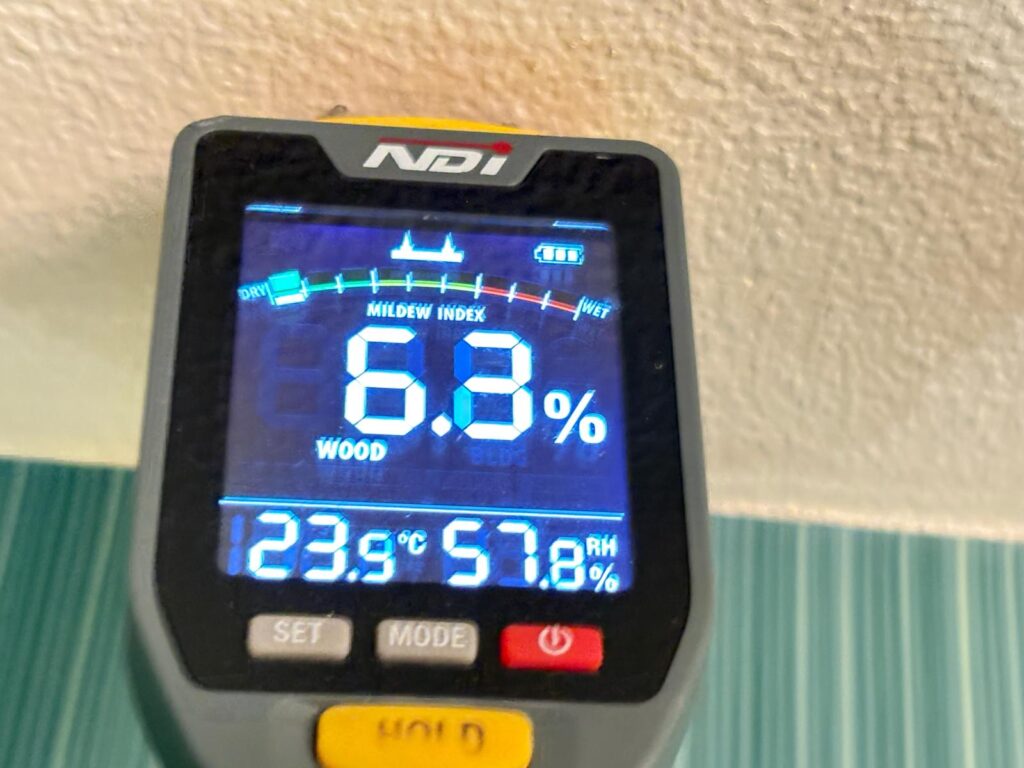
- Buy a small, inexpensive humidity meter. Indoor humidity that stays high can lead to musty smells and mold.
- Press the “test” and “reset” buttons on GFCI outlets (the outlets with buttons, usually in kitchens, bathrooms, garages, and outdoors). They are designed to cut power quickly if something goes wrong.
- Find the cleanout for your sewer line (usually a capped pipe in the yard near the house) so a plumber can find it fast if needed.
When to call a professional: Please do not climb onto the roof, open the electrical panel cover, crawl through a hot attic, or try electrical or structural repairs yourself. If you see active leaks, burning smells, warm outlets, or cracks that are growing, call a licensed professional.
Frequently Asked Questions
What is the first thing to check after buying a house?
Find the main water shutoff. A water leak can cause the most damage in the shortest time, so knowing how to stop the water quickly is the most important first step. Of all the things to check after buying a house, this one can save you the most trouble.
Should I change the locks after buying a house?
Yes, it is a good idea. You do not know how many keys the previous owners, contractors, or neighbors might have. Rekeying the locks is a simple way to get peace of mind.
How soon should I do maintenance after moving in?
Handle safety items in the first week: smoke alarms, the dryer vent, and the water heater temperature. Then work through your inspection report over the next few months, starting with anything marked as a safety concern.
Do I need another inspection after I move in?
Usually not right away. But if you notice a new problem, or if you bought a new-construction home, a follow-up visit before your builder warranty ends can help you document items while they are still covered.
We Are Here to Help
Knowing the right things to check after buying a house makes those first months in a new home a lot less stressful. If you have questions about your report or want a second look at something, Alex Home Inspection Services LLC, based in Bradenton, serves Riverview and surrounding Hillsborough County communities. Homeowners, buyers, and Realtors are always welcome to reach out.
Call (508) 246-3465, message us on WhatsApp at (813) 510-9403, or schedule an inspection online. Florida license #HI-15079. Reports are delivered within 24 hours.