
Florida roof code changes are coming for homeowners statewide. The state updates its building code roughly every three years, and the next version — the 9th Edition of the Florida Building Code — is on track to take effect December 31, 2026. For most of the state’s housing stock, the part of this update that will matter most day-to-day is roofing: how much of an old roof can stay when repairs are made, what wind-load math contractors have to use, and how all of that plays into what a home inspector documents before you buy, sell, or insure a house.
If you’re planning to buy a home in Florida in the next year, refinance, switch insurance carriers, or just want to know where your roof stands, here’s what’s changing, what isn’t, and why it belongs on your radar before your next inspection.
What’s Actually Changing December 31, 2026
The Florida Building Commission has been developing the 9th Edition since February 2024, basing it on the 2024 International Codes. Technical advisory committees reviewed more than 1,500 proposed code changes and roughly 550 public modifications, and the draft was posted for public review in late December 2025. Commission votes and public comment have continued through 2026, with final adoption expected on or around December 31, 2026.
The roofing-specific changes getting the most attention involve the rules for “recovering” a roof — installing a new roof system over what’s already there — versus tearing everything down to the deck. As currently approved by the Commission (the language can still be refined before the edition is finalized), the 9th Edition is expected to:
Allow contractors to reuse sound roof substrates in more situations, including high R-value rigid insulation and lightweight insulating concrete that’s still performing, instead of automatically requiring it to be torn off.
Permit existing adhered vapor barriers or self-adhering membranes to stay in place under an additional new layer, rather than requiring full removal.
Move the rules for elastomeric and maintenance coatings over asphalt shingles into the shingle sections of the code, tied to manufacturer installation instructions.
None of this changes whether your home needs a roof — it changes how much of the old system a contractor is allowed to leave in place when the roof is worked on after the new code takes effect.
The Timing Line That Matters: Permitted Before vs. After
Here’s the detail that actually affects homeowners and buyers: which code edition applies to a given roof project depends on when it’s permitted, not when the work is finished. Projects permitted before December 31, 2026 are generally governed by the 8th Edition, currently in effect. Projects permitted on or after that date fall under the 9th Edition.
That has practical consequences. If you’re planning a roof replacement or a major repair and you’re close to that date, the permit timing can determine which set of rules — and which cost and material requirements — apply to your project. If you’re buying a home with an aging roof, the seller’s timeline for any pre-closing roof work matters for the same reason.
The 25% Rule Isn’t Going Away — But Knowing Where You Stand Does
Florida homeowners and buyers hear about the “25% roof replacement rule” constantly, and it’s worth being precise about what it actually says, because the 9th Edition doesn’t repeal it. Under Section 553.844(5), Florida Statutes — enacted through Senate Bill 4-D in 2022 — a roof that was built, repaired, or replaced in compliance with the 2007 Florida Building Code or any later edition does not have to be entirely replaced just because 25% or more of it is being repaired. Only the repaired or replaced portion has to meet the current code, and local governments aren’t allowed to override that exception by local ordinance.
The dividing line is the roof’s permit history. Roofs permitted under the 2007 code or later — generally meaning permits pulled on or after March 1, 2009 — get the benefit of this exception. Roofs permitted before that date don’t, and can still be required to come off entirely once repairs cross the 25% threshold.
This is exactly the kind of detail that’s easy to get wrong without documentation, and it’s exactly what a home inspection report and permit history review are built to establish. Knowing whether your roof’s permit history puts it on the right side of that line can matter for a repair estimate, a claim, or a purchase negotiation.
Wind-Load Math Behind the Roof Change
The reroofing rules aren’t happening in isolation. Florida adopted ASCE 7-22, the current national wind-load standard, with the 8th Edition in 2023, and the 9th Edition continues on that framework. For roofs, this affects the pressure zones used to calculate how a roofing assembly needs to be attached and rated, especially on gable and hip roofs steeper than 7 degrees. Roofing products are approved against specific design pressures, so an assembly that passed review under older calculations may need updated engineering to confirm it still complies going forward.
For a buyer or owner, the practical takeaway isn’t the engineering itself — it’s that roof age, material, and documented product approvals are becoming more relevant to how a home is evaluated, not less. An inspection that notes the roof’s apparent age, visible condition, and any available permit or product approval documentation gives you something concrete to work with, whether you’re negotiating a purchase or getting ready to shop insurance.
One Proposal That Didn’t Become Law
It’s also worth knowing what didn’t happen. House Bill 911, filed for the 2026 legislative session, would have required the Building Commission to mandate impact-resistant building envelopes — including roofs — capable of withstanding at least 160 mph winds for multistory residential buildings, new construction within five miles of tidal waters, and construction in the High-Velocity Hurricane Zone covering Miami-Dade and Broward counties. The bill died in a House subcommittee on March 13, 2026. That doesn’t mean the idea is gone for good; Florida’s code has generally trended toward stronger wind-resistance requirements over the past two decades, and similar proposals tend to resurface. It’s a reasonable thing to watch, not something to plan around yet.
What This Means If You’re Buying a Home This Year
If you’re under contract or shopping for a home in Florida right now, the code transition is a reason to ask more specific questions about the roof, not a reason to panic. Ask the seller or listing agent whether the roof has been replaced or recovered since the home was built, and if so, when the permit was pulled. That single date tells you which side of the 25% rule the roof falls on and whether it was engineered to the current ASCE 7-22 wind-load standard already in effect under the 8th Edition. If the roof is older and hasn’t been touched since original construction, it’s worth budgeting time during your inspection period to get a clear, documented read on its condition rather than relying on a visual estimate from a real estate listing.
None of this is about rushing a decision before December 31, 2026. Most homes changing hands this year will close well before the 9th Edition takes effect, and the code that applies to any future roof work depends on when that work is permitted — not when you bought the house. The value of understanding the timeline now is simply that it gives you accurate expectations: what your insurer will ask for, what a future roofing contractor will tell you about your options, and what your inspection report should be capturing about the roof’s age and condition today.
Why This Belongs on Your Inspection Checklist Now
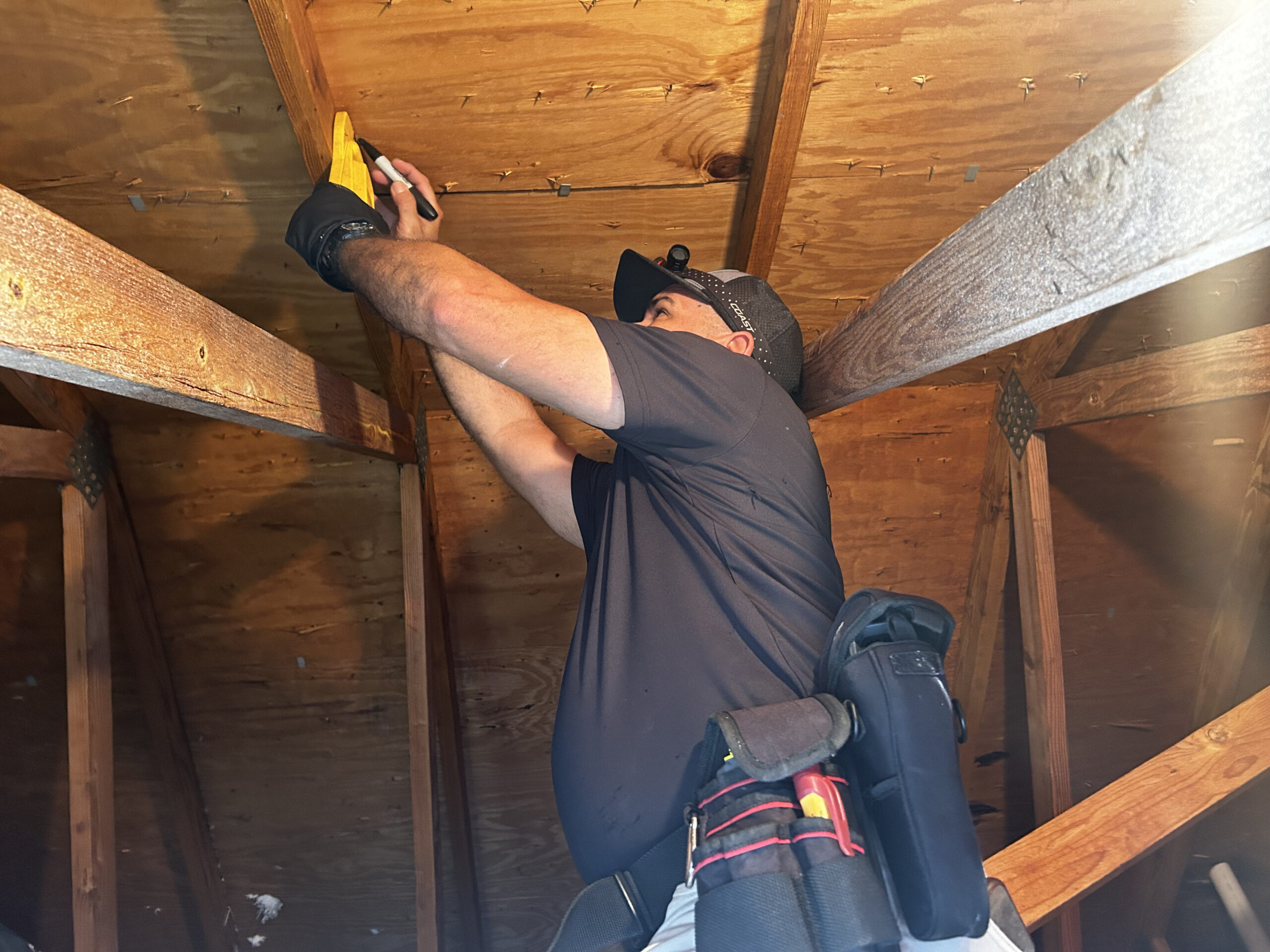
Whether you’re buying a home, holding one, or getting ready to switch insurance carriers, the roof is usually the single item that most affects both safety and premium. A full home inspection or a 4-point insurance inspection documents the roof’s current condition, approximate age, and visible attachment method — the same details that matter for the 25% rule, for wind mitigation credits, and for any conversation with an insurer about coverage terms. Getting that documentation now, while the 8th Edition is still in effect and before the transition date arrives, gives you a clear baseline to work from as the rules shift.
Alex Home Inspection Services LLC provides full home inspections, 4-point insurance inspections, and wind mitigation inspections across Florida, with reports delivered within 24 hours. Florida license #HI-15079. Call (508) 246-3465 or schedule online.