
UAD 3.6 Is Coming November 2, 2026: What Florida Homebuyers and Realtors Should Know Before the Appraisal
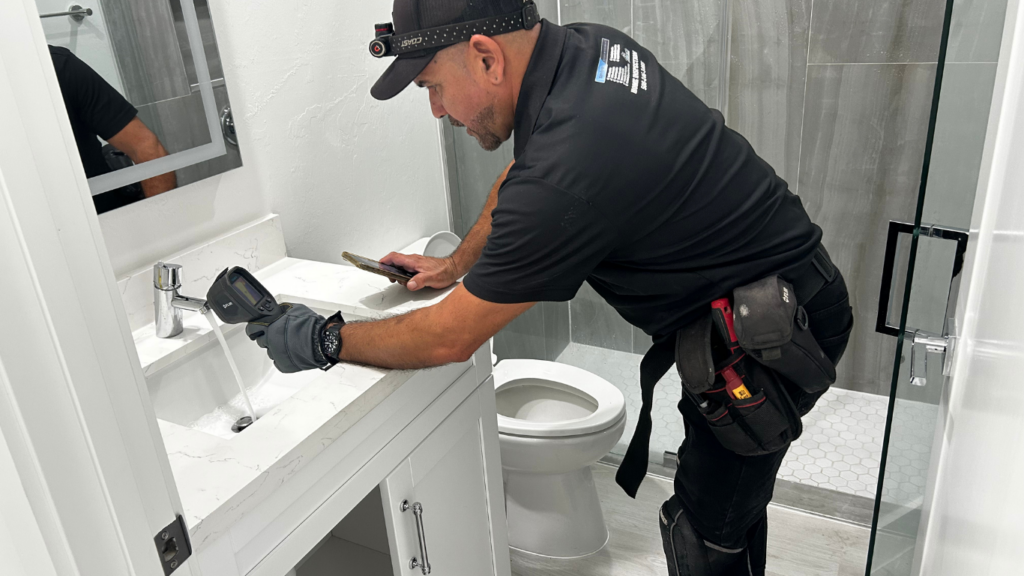
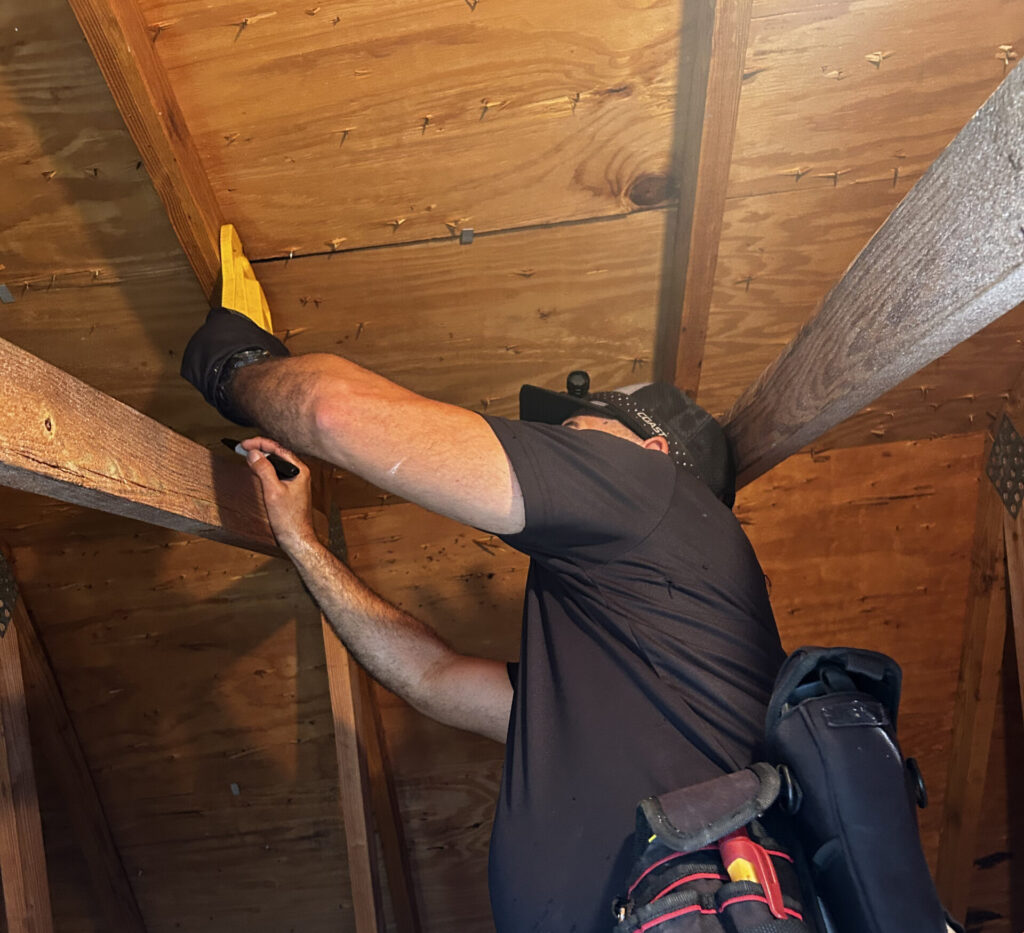
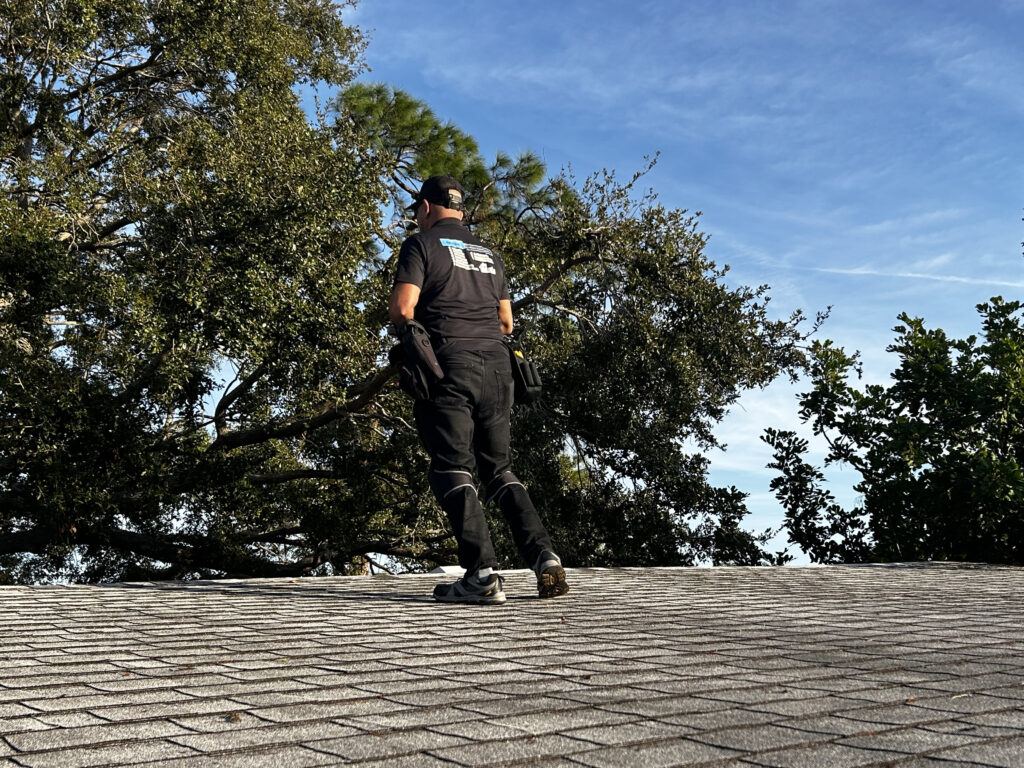
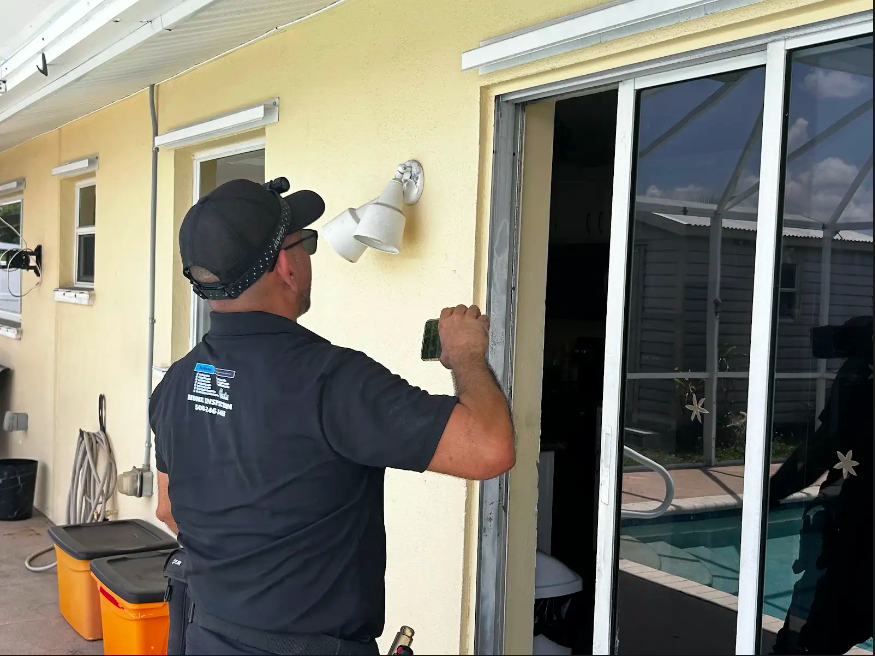
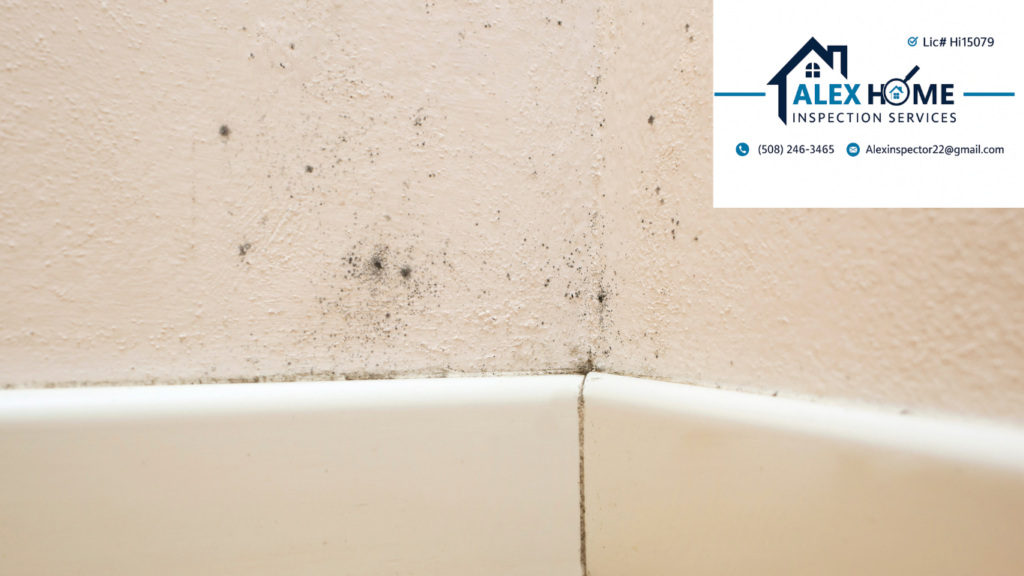
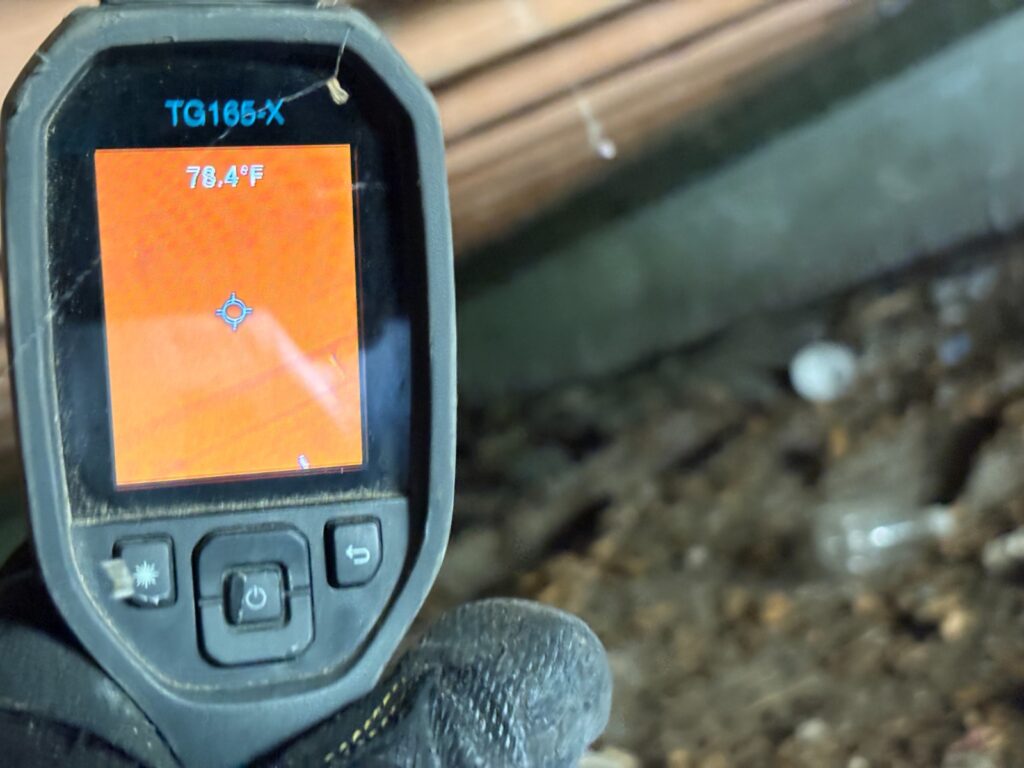
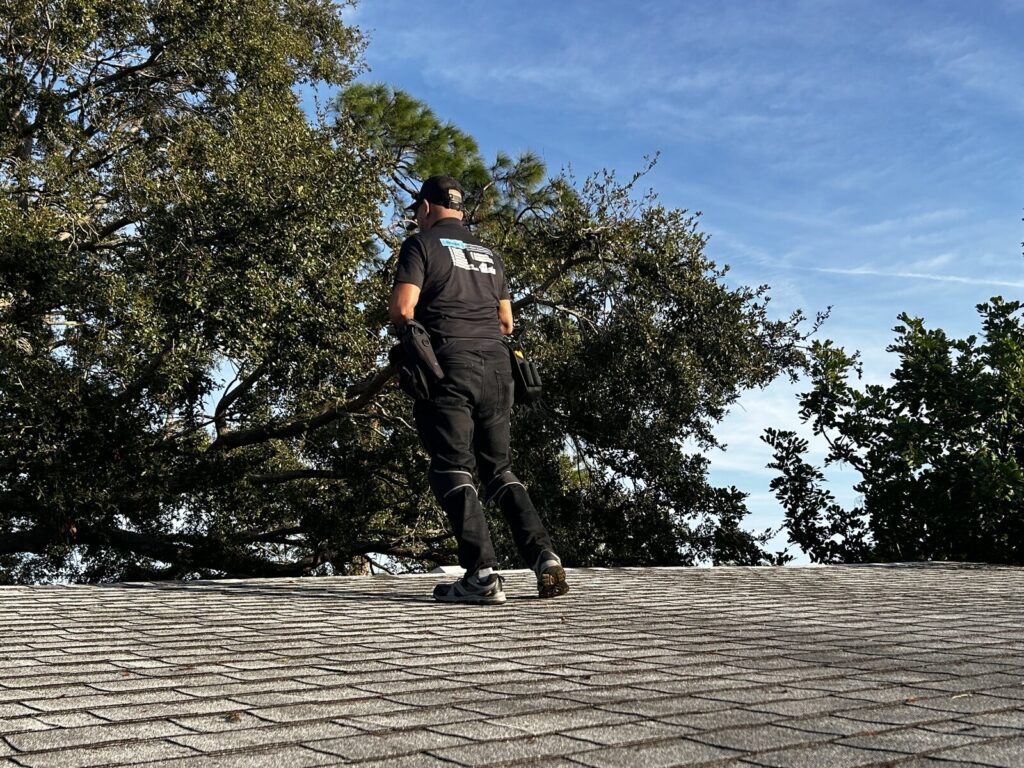
UAD 3.6 is the new appraisal reporting standard from Fannie Mae and Freddie Mac, and it becomes mandatory for new appraisal submissions on November 2, 2026. If you are buying a home in Florida with a conventional loan — or you are a Realtor guiding a buyer to the closing table — here is the short version of what is changing, and what we as home inspectors recommend you do about it. 1. The New UAD 3.6 Rules in 60 Seconds You do not need to learn the technical details. Two facts are enough: In other words: when an appraiser observes a condition issue, it may now be recorded in a more visible, organized way for the lender to review. This is a change for appraisers and lenders — it does not create any new requirement for buyers, sellers, or home inspectors, and the appraisal still does not replace a home inspection. So what should a buyer or Realtor do with this information? That is where we come in. 2. Why an Early Home Inspection Matters More Under UAD 3.6 Looking closely at property condition is what we do every day. ALEX Home Inspection Services is an InterNACHI-certified company with 5 years in business and more than 4,000 inspections completed across Bradenton, Sarasota, and Florida’s Gulf Coast. After that many homes, one lesson repeats itself: the earlier everyone understands the home’s condition, the smoother the decisions that follow. We also bring the right tools to document what we find: a drone for roofs that are too steep, fragile, or high to walk safely, a thermal imaging camera to spot temperature differences that can point to hidden moisture or missing insulation, and a moisture meter to confirm what the camera suggests. An appraiser visits the home to develop an opinion of value for the lender, and notes what is readily observable. A home inspector works for the buyer and spends hours evaluating the roof, attic, electrical, plumbing, HVAC, structure, and more — then documents it in a detailed report with photos. Under UAD 3.6, that second set of eyes, early in the transaction, becomes even more valuable. A thorough, well-documented home inspection can help you: Our advice to Realtors: schedule the inspection in the first days of the inspection period, not the last. Our advice to buyers: attend the inspection if you can, and ask questions — we will walk you through what matters and what is simply routine maintenance. Our simple rule of thumb: Inspect early. Document clearly. Avoid surprises before closing. 3. What a Well-Documented Inspection Covers — The Way We Do It Every home inspection we perform follows the same principle: if a condition is significant, it gets a clear photo, a specific location, and a plain-language explanation. These are the areas where our experience tells us documentation matters most in a real-estate transaction: Roof Overall condition, deterioration, active or past leaks, visible damage, and evidence of previous repairs — documented from the roof surface or by drone when walking it is not safe. In Florida, roof condition is also a frequent question for insurance, so clear photos and descriptions serve the buyer twice. Electrical The electrical panel — brand, condition, and visible concerns — along with significant deficiencies such as double-tapped breakers, exposed wiring, overheating, or missing safety protection where applicable. Plumbing Active leaks, water damage, deteriorated or outdated supply and drain materials, water-heater condition, and other significant concerns. HVAC Whether the system operated at the time of inspection, plus observable deficiencies such as corrosion, condensate problems, or damaged ductwork. In Florida’s climate, a working air-conditioning system is essential. Structure Cracking, settlement, deterioration, or other conditions that could warrant evaluation by a structural engineer or qualified specialist. Moisture intrusion Stains, elevated moisture-meter readings, thermal-camera anomalies, and visible water damage around windows, doors, ceilings, and attics. When applicable, thermal imaging or a mold inspection can add useful information. Safety concerns Missing smoke alarms, trip hazards, unsafe stairs or railings, and similar items a buyer should know about before move-in. Repairs, modifications, and renovations Major visible repairs, additions, or renovations, and any significant condition that could require additional professional evaluation. Why photos and clear reporting matter A good inspection report does more than list problems. Clear photographs, specific locations, and plain-language descriptions help everyone — buyer, Realtor, seller, and contractor — understand exactly what was observed and how significant it is. When a question comes up later in the transaction, a well-documented report lets you respond with facts instead of guesses. 4. Appraisal vs. Home Inspection vs. 4-Point and Wind Mitigation in Florida Florida buyers often encounter four different property evaluations. Each has a different purpose: Evaluation Who it’s for Purpose Appraisal The lender Opinion of market value for the loan; reported under UAD 3.6 for applicable loans starting November 2, 2026 Home inspection The buyer Detailed evaluation of the home’s visible condition, systems, and components 4-Point inspection The insurance company Snapshot of roof, electrical, plumbing, and HVAC — commonly requested for older Florida homes Wind mitigation inspection The insurance company Documents wind-resistant features that may qualify the owner for insurance discounts None of these replaces the others. Many Gulf Coast buyers schedule the home inspection, 4-Point, and wind mitigation in the same visit to save time. Frequently Asked Questions About UAD 3.6 Does UAD 3.6 require me to get a home inspection? No. UAD 3.6 is a reporting standard for appraisers and lenders. A home inspection remains the buyer’s choice — and, in our opinion, one of the smartest choices a buyer can make. Will UAD 3.6 make it harder to finance a home? Not necessarily. UAD 3.6 changes how information is reported; lending decisions still depend on the lender’s and agencies’ guidelines. Many homes have minor issues that never affect financing. Does the change apply to every loan? The November 2, 2026 mandate applies to new appraisal reports submitted for loans delivered to Fannie Mae and Freddie Mac. FHA, VA, and USDA are expected to announce