
How the New 2026 Wind Mitigation Rules Affect Your Insurance and Your Home
If you’re a homeowner in Florida, especially preparing for an insurance renewal, there’s an important update you need to understand.
Starting April 1, 2026, the Wind Mitigation inspection process changed. And while the form may look similar, the way inspections are performed—and how insurance companies review them—has become much stricter.
As a home inspector working in the field, I want to explain what this means for you in practical, everyday terms.
What Changed in Simple Terms
The biggest change is this:
👉 Everything in the report must now be proven—not assumed.
Before, certain features of your home could be identified visually and accepted. Now, those same features must be supported with clear evidence.
That includes:
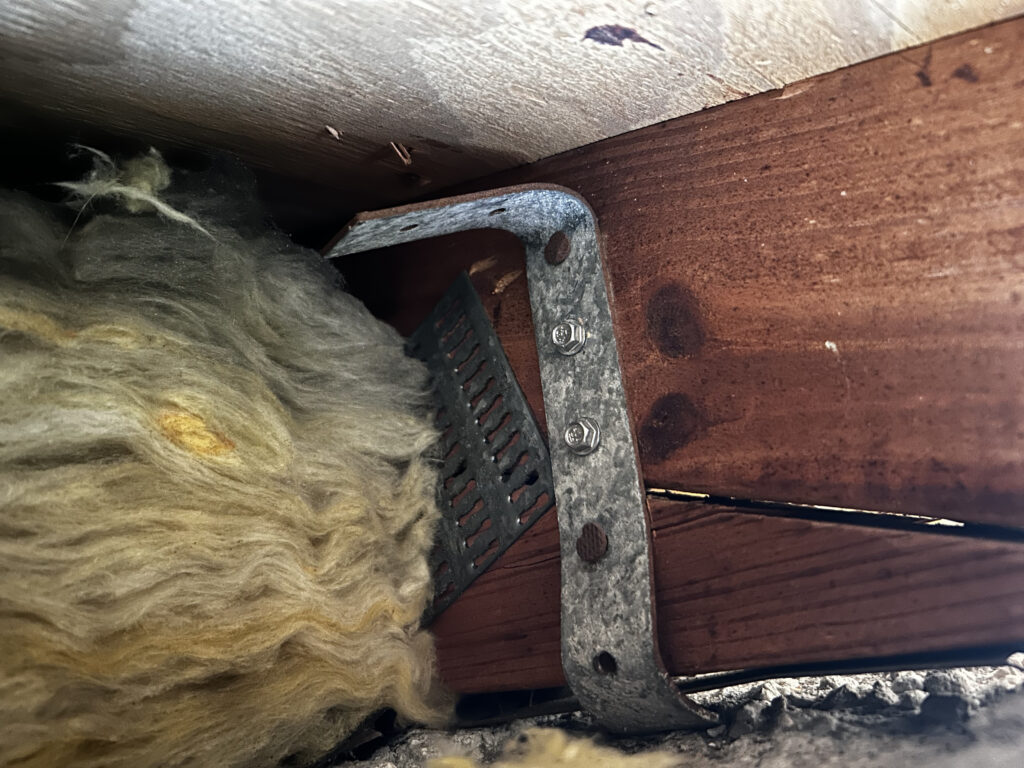
- Photos of connections inside the attic
- Visible nail patterns
- Documentation for upgrades
If it cannot be clearly shown, it may not count.
How This Affects Your Insurance Costs
Many homeowners rely on Wind Mitigation inspections to qualify for insurance discounts.
These discounts are based on features like:
- Roof-to-wall connections
- Roof condition and installation
- Impact windows or shutters
However, under the new rules:
👉 Even if your home has these features,
👉 you may not receive the discount if they are not properly documented.
This is where many homeowners may see unexpected changes
What to Expect During Your Inspection
Inspections are now more detailed and focused.
You can expect:
- More time spent in the attic
- More photos taken
- Closer attention to connections and materials
In some cases, we may need better visibility or access to confirm certain details.
You May Need to Provide Documents
In addition to the inspection itself, you may be asked for:
- Permits from previous work
- Roof replacement documentation
- Window or shutter approvals
This helps confirm that the improvements meet current standards.
Why Some Reports May Be Rejected
We are already seeing that insurance companies are reviewing reports more carefully.
Reports may be rejected due to:
- Missing or unclear photos
- Incomplete documentation
- Incorrect classification of structural components
When this happens, it can lead to:
- Delays in your policy
- Requests for re-inspection
- Additional costs
How You Can Prepare
There are a few simple steps that can make a big difference:
✔ Make your attic accessible
Clear space if needed so the inspector can properly evaluate connections.
✔ Gather your documents
Have any permits, invoices, or upgrade records available.
✔ Schedule early
Avoid last-minute inspections close to your renewal date.
✔ Work with an experienced inspector
Proper documentation is now just as important as the inspection itself.
Final Thought
This update is not about making things more complicated—it’s about making them more accurate.
But accuracy requires preparation.
As inspectors, our job is no longer just to observe—it’s to verify and document.
For homeowners, the best approach is simple:
👉 Be prepared
👉 Be informed
👉 And make sure your inspection meets the new standards
