
Welcome

Home Inspection Tools

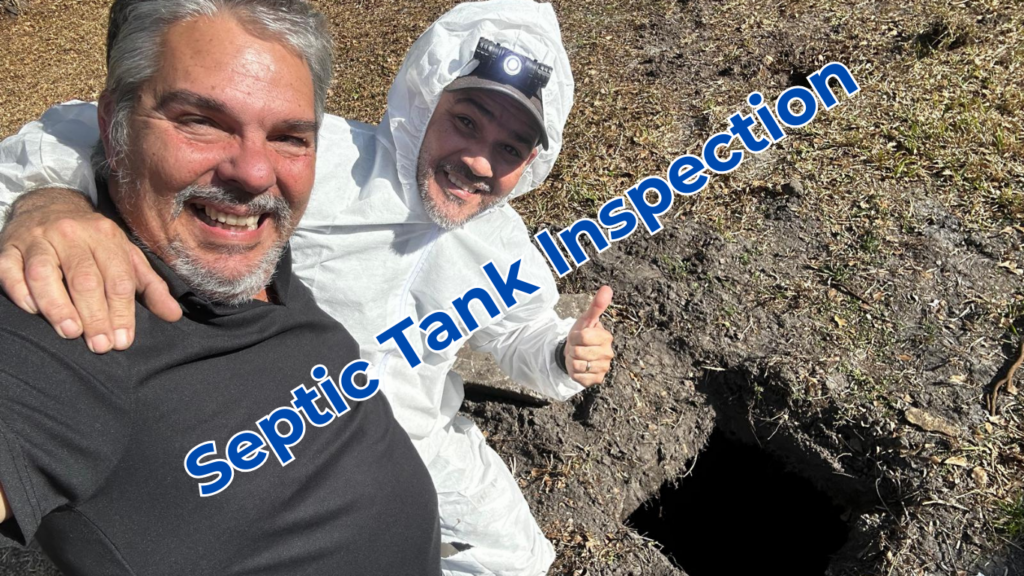
Florida septic law inspection: Alex Home Inspection Services checking a septic tank
Home Inspection Tools

Florida’s New Septic Law: What Homeowners and Buyers Need to Know in 2026

Florida septic law changed in a real way this year. Lawmakers rewrote a chunk of the state’s septic system rules, and the changes took effect July 1, 2026. If you own a home on a septic system anywhere in Florida — or you’re buying one — the update is worth understanding, because it touches permitting, upgrade deadlines, and how septic issues get handled in a real estate transaction. None of it replaces the value of an independent inspection, but it does shift a few of the rules around it. What the New Florida Septic Law Actually Changed The relevant changes arrived through House Bill 1417, which became Chapter 2026-2, Laws of Florida, and took effect July 1, 2026. Among the provisions that affect homeowners: The bill limits a prior requirement that certain properties with existing septic systems inside the Indian River Lagoon Protection Program area connect to central sewer or upgrade their system. That mandate now applies only to commercial or residential properties of 10 acres or less, and the compliance deadline was pushed from 2030 to 2035. If your property sits in that watershed and is larger than 10 acres, the connect-or-upgrade requirement no longer applies to you the way it used to. According to the legislature’s own staff analysis of the bill, it also removes the requirement that property owners obtain a biennial system operating permit from the Department of Environmental Protection for their septic systems. That renewal step had been a recurring compliance obligation for certain systems; under the new law, it’s gone. Statewide, Florida still regulates septic systems — an estimated 2.6 million of them — under Chapter 64E-6 of the Florida Administrative Code, administered through county health department offices. That framework hasn’t disappeared. What changed is narrower: fewer recurring permit renewals for some systems, and a longer runway for certain Indian River Lagoon-area properties to comply with sewer-connection rules. Why This Matters More If You’re Buying a Home Here’s the part that surprises a lot of buyers: Florida septic law does not let a government entity mandate an inspection at the point of sale. There’s no statewide rule that forces a septic check before closing, the way there is for a 4-point insurance inspection in some cases. Sellers are required to disclose known material defects they’re aware of — a failed drain field, a history of backups, a system that doesn’t meet current Department of Health standards — but they aren’t required to go looking for problems they don’t already know about. That gap is exactly why most experienced buyers and their agents build a septic inspection into the due diligence period anyway. FHA and VA loans typically require evidence of a functioning system, and an appraiser who spots signs of trouble can trigger a lender-required inspection before the loan clears. Waiving that inspection on a home outside municipal sewer service is a real gamble — repairing or replacing a failed drainfield is one of the more expensive surprises a new homeowner can inherit, and it’s not something a general walkthrough will catch. What a Professional Septic Inspection Actually Covers A proper septic inspection goes well beyond confirming a tank exists. It typically includes checking the tank’s structural condition and baffles, measuring effluent and scum layer levels, checking for solids buildup that signals the tank is due for pumping, and evaluating the drainfield for saturation, ponding, or surfacing effluent — the clearest sign a system is failing. Distance from wells and surface water, tank access and lid condition, and any unpermitted modifications get documented as well. On older homes, especially in areas that have shifted from septic to central sewer over the decades, an inspector may also flag systems that were never properly abandoned when a home was connected to municipal service. How Florida’s Climate Puts Extra Stress on Septic Systems Septic systems rely on unsaturated soil in the drainfield to filter and treat effluent before it reaches groundwater. Florida’s high water table works against that in a lot of the state, and the problem gets worse during the rainy season and hurricane season, which overlap from roughly June through November. When the water table rises close to the surface, a drainfield that was working fine in the dry season can suddenly have nowhere to send wastewater, and effluent can back up into the house or surface in the yard. That seasonal timing matters for anyone closing on a home right now. A system that looks fine during a dry-week walkthrough can behave very differently after a few inches of rain. An inspector who checks the drainfield for soil saturation, standing water, and unusually lush or spongy grass over the leach lines is looking for exactly the kind of problem that a homeowner won’t discover until the first heavy storm — often the one that matters most, since Florida is currently in the most active stretch of hurricane season. Common Septic Red Flags Homeowners Notice Too Late Slow drains throughout the house, gurgling sounds from toilets, sewage odors near the tank or drainfield, and unusually green or wet patches of lawn are all signs that a system is struggling. By the time these symptoms show up, the problem is often already past the point of a simple fix. A pre-purchase or annual inspection is meant to catch the earlier warning signs — a tank nearing capacity, a baffle starting to deteriorate, or a drainfield showing early signs of saturation — before they turn into a backup, an odor complaint from a neighbor, or a replacement that runs into real money. What the New Rules Mean for Current Homeowners Under the new Florida septic law, if your property is inside the Indian River Lagoon Protection Program area and larger than 10 acres, the 2035 deadline extension gives you more time before a mandatory upgrade or sewer connection applies — but it doesn’t mean the system stops aging in the meantime. If you’re anywhere else in the state and your system was subject to the old

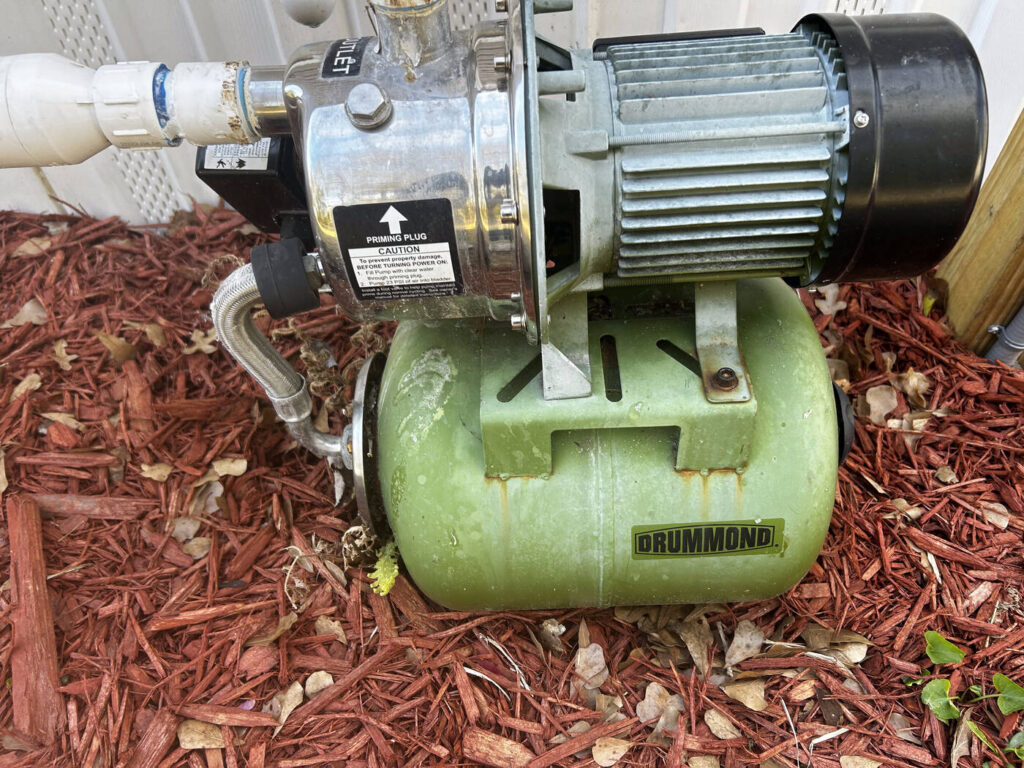
Well pump and pressure tank system inspected for PFAS in well water testing, Florida home
Home Inspection Tools

PFAS in Well Water: What Florida Homebuyers Should Know Before Closing

PFAS in well water is a growing concern for Florida buyers, and nobody is required to test for it if the home you’re buying gets its water from a private well. These “forever chemicals” are now regulated in public drinking water systems nationwide, so public utilities have to test and treat for them. Private wells do not. That gap has become a bigger story in our part of Florida over the last few months, and it is one more reason a water quality lab test belongs on the closing checklist for any home with a well. PFAS in Well Water: Why the EPA Started Regulating It PFAS (per- and polyfluoroalkyl substances) are a group of manufactured chemicals used for decades in things like nonstick cookware, firefighting foam, water-resistant fabrics, and some industrial processes. They are called “forever chemicals” because they break down extremely slowly in the environment and in the human body. Research has linked long-term PFAS exposure to a range of health concerns, which is why the EPA finalized the first-ever national Primary Drinking Water Regulation for PFAS in April 2024, setting enforceable limits of 4 parts per trillion for PFOA and PFOS, two of the most common PFAS compounds, along with limits for several others. That regulation applies to community water systems and non-transient non-community systems, the utilities that supply most cities and towns. It does not apply to private wells. The EPA is explicit about this: well water is not covered by the Safe Drinking Water Act, and a private well is only tested if the owner arranges and pays for it. In practical terms, that means two houses on the same street can have very different water safety pictures if one is on the utility grid and the other pulls from a well. It’s worth being clear about what the research does and doesn’t show. Studies on PFAS exposure are still developing, and results vary by compound, concentration, and duration of exposure, which is exactly why the EPA moved to set enforceable numeric limits rather than leave it as a general concern. The point for a homeowner isn’t to assume the worst, it’s that a lab test replaces uncertainty with an actual number you can compare against a known standard. What’s Turning Up Locally This isn’t a hypothetical concern for our area. University of Florida researchers sampling surface water across Sarasota County found PFAS compounds in roughly 70% of samples, with the highest concentrations detected around North Port. Suncoast Waterkeeper, a regional nonprofit, has been running a “Forever Free” PFAS testing program offering free sampling kits to residents of Manatee and Sarasota counties, and has already identified several PFAS compounds, including PFOA and PFOS, among the samples processed so far. Further north, elevated PFAS levels have also been found in a cluster of private wells near Tallahassee, prompting county and state officials to expand monitoring in that area. The detail that matters most for well owners: Suncoast Waterkeeper’s free program currently excludes private well systems. Free testing is going to residents on municipal or community water. If your water comes from a well, that free option isn’t on the table right now, and the responsibility for testing falls entirely on the homeowner. Why This Matters at the Closing Table, Not Just After Move-In A real estate transaction is the one point where a buyer has real leverage to find out what they’re inheriting before it becomes their problem. Standard home inspections cover the well equipment, pressure, and flow, but a general inspection is not a substitute for a laboratory water quality analysis. PFAS, along with bacteria, nitrates, and other contaminants, can only be identified through certified lab testing of a water sample, not through a visual inspection of the pump and pressure tank. For a buyer, that distinction matters because remediation options exist and can be planned for before closing, whereas discovering a contamination issue after you’ve moved in turns it into an unplanned, on-your-own project. For a seller working with a real estate agent, disclosing a clean water test can also remove a point of hesitation for a nervous buyer. If a Test Comes Back Positive Finding a contaminant on a lab report is not the same as having an unlivable house. Depending on what’s detected and at what concentration, options range from point-of-use filtration at the kitchen tap to whole-house treatment systems such as reverse osmosis, activated carbon, or ion exchange, each suited to different contaminants and budgets. The lab report itself typically tells you which compounds exceed a health-based threshold, which gives you and, if you’re buying, your realtor and closing attorney, something concrete to negotiate around rather than a vague worry. That’s a very different position than finding out after closing that the water needs attention. Storm Season Adds Another Layer The University of Florida’s IFAS Extension has also been running a free webinar series this year specifically focused on protecting well water and septic systems through hurricane season. Flooding can push contaminants, including bacteria and, in some cases, PFAS-laden runoff, into shallow wells, and storm damage to wellheads or septic drain fields is a common cause of water quality problems that show up weeks after a storm has passed. If you already own a home with a well, testing before hurricane season and again afterward is a reasonable habit, not just a one-time, at-purchase step. What a Water Quality Lab Test Actually Checks A proper water quality lab test goes well beyond a PFAS panel. Depending on the scope, testing can screen for coliform bacteria and E. coli, nitrates and nitrites (common near septic systems and agricultural land), lead and other heavy metals, hardness and mineral content, and PFAS compounds where that’s a relevant concern for the area. The sample goes to a certified lab, and results typically come back with clear pass/fail thresholds tied to EPA and Florida Department of Health standards, so a buyer or homeowner isn’t left guessing what a number means. Our Recommendation on PFAS in

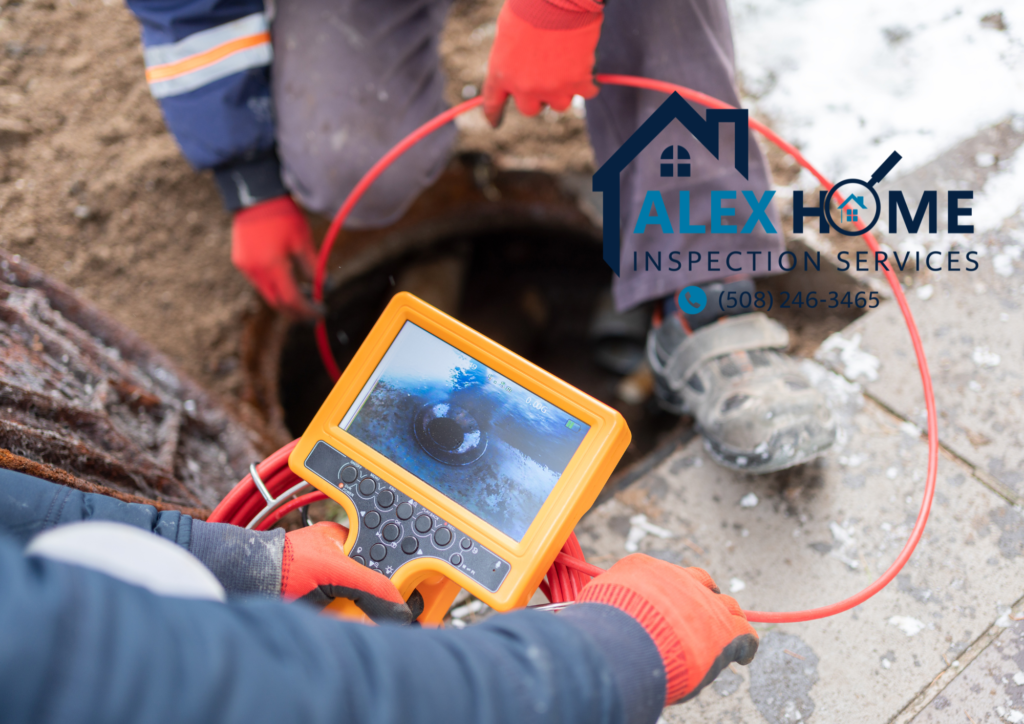
Sewer camera inspection footage inside an older Florida home's drain line
Home Inspection Tools

What a Sewer Camera Inspection Reveals in Florida’s Older Homes

A sewer camera inspection is the check many Florida buyers skip, and it’s the one that most often catches what a standard walkthrough misses. A standard home inspection can tell you a lot about a house. It cannot tell you what’s happening in the sewer line running from the house to the street, buried under a concrete slab or several feet of Florida soil. That gap matters more in 2026 than it used to, as Florida’s insurance market pays closer attention to every aging system in a home — and the sewer lateral is one of the few that a routine inspection, or even a four-point inspection, was never designed to see. A sewer camera inspection, sometimes called a sewer scope, closes that gap. A trained technician feeds a waterproof camera down the main drain line and records exactly what condition the pipe is in from the house to the connection point at the street or septic tank. For homes built more than a few decades ago, particularly across the older neighborhoods scattered throughout Florida, that footage often tells a very different story than what’s visible above ground. Why a Standard Inspection Stops at the Drain, Not Inside It A general home inspection checks that plumbing fixtures work: faucets run, toilets flush, drains clear without backing up. What it cannot do is see through a concrete slab or several feet of soil to evaluate the physical condition of the pipe itself. A drain can flush normally the week before a root intrusion finally closes it off, or the week before a corroded joint finally gives way. Visual and functional testing simply were not built to catch that. A four-point inspection, which nearly all Florida insurers require before writing or renewing a policy on a home 20 years or older, goes a step further by documenting the condition of the roof, electrical panel, HVAC system, and plumbing. But even a four-point inspection is a visual review of what’s accessible — supply lines, water heater, visible pipe connections. It does not include a camera run through the sewer lateral. That line, and whatever is happening inside it, stays out of view unless someone specifically scopes it. That’s exactly the gap a sewer camera inspection is built to close. What’s Actually Buried Under Older Florida Homes The pipe material matters enormously, and it varies a lot depending on when a home was built. Homes constructed from the 1940s through the early 1980s commonly used cast iron drain lines, which corrode from the inside out in Florida’s humid, often salty soil conditions and are commonly cited as having a working lifespan in the range of 40 to 60 years. Homes from roughly the 1950s through the 1970s sometimes used Orangeburg pipe, a tar-paper composite material with a maximum service life generally put around 50 years — meaning a lot of Orangeburg still in the ground is already at or past the end of its intended run. Clay pipe shows up in some older systems as well, and while durable in some respects, it is prone to cracking and root intrusion at its joints over time. None of this shows up on a listing photo or a walkthrough. A sewer camera inspection is what brings it into view, run through the line itself. The 2026 Insurance Backdrop: Why Aging Systems Are Under More Scrutiny Florida’s property insurance market has been going through a real recalibration. Regulators have reported a meaningful decline in litigation tied to residential property claims over the past couple of years, and several carriers have filed rate decreases for 2026 as loss ratios have improved. That stabilization has come with a trade-off for homeowners with older systems: as insurers regain confidence in the overall market, many are applying more scrutiny, not less, to the individual homes they insure — especially anything built before the 1990s. Four-point inspections are the clearest example. Citizens Property Insurance Corporation, the state’s insurer of last resort, will not write new coverage on a home over 20 years old that still has polybutylene supply piping, regardless of that home’s leak history. That is a plumbing material issue, not a sewer line issue, but it illustrates the broader pattern: insurers are increasingly unwilling to take pipe condition on faith, and buyers and owners who can document the actual condition of a home’s systems, sewer line included, are in a stronger position at renewal or underwriting time. There’s also a practical, statutory reason to get ahead of hidden pipe problems rather than wait for a failure. Under Florida Statute 627.70132, a homeowner generally has one year from the date of loss to file a new property insurance claim. Water damage is consistently one of the most common categories of homeowners insurance claims nationally, according to the Insurance Information Institute. A slow, hidden sewer failure that finally surfaces as standing water, a sinkhole near the foundation, or a sewage backup does not come with a clear “date of loss” the way a burst pipe does, which can make the claims and documentation process more complicated. Having a baseline camera inspection on file, whether at purchase or as part of routine maintenance, gives a homeowner and their insurer a clear point of reference. What a Sewer Camera Inspection Actually Finds The most common issues a camera turns up in older Florida homes include root intrusion at pipe joints, especially where mature trees or landscaping sit near the lateral line; bellies or sags in the pipe where sections have settled unevenly, allowing waste and water to pool instead of draining; and corrosion and flaking on the interior walls of cast iron pipe. Other findings include cracked or separated joints in clay or Orangeburg sections, and in the more serious cases, partial or full collapse of a section of pipe. Every one of these can exist for months or years while the plumbing above ground continues to function normally, which is exactly why so many buyers are surprised to learn about a problem

Scroll to Top