
In most states, a home inspection is about negotiation. You find out what is wrong, you ask the seller to fix it or discount it, and you close.
In Florida, it is bigger than that. Here, what an inspector writes down can determine whether an insurance company will cover the house at all — and if you cannot insure it, you generally cannot get a mortgage on it. That makes the inspection less of a bargaining tool and more of a gate you have to get through.
Buyers routinely learn this in the worst possible order: under contract, two weeks from closing, when a carrier declines the property over an electrical panel nobody mentioned.
Here is the version you want to have read first.
There are three different inspections, and they are not the same thing
This trips up almost every first-time Florida buyer. These are separate reports with separate purposes, and one does not substitute for another.
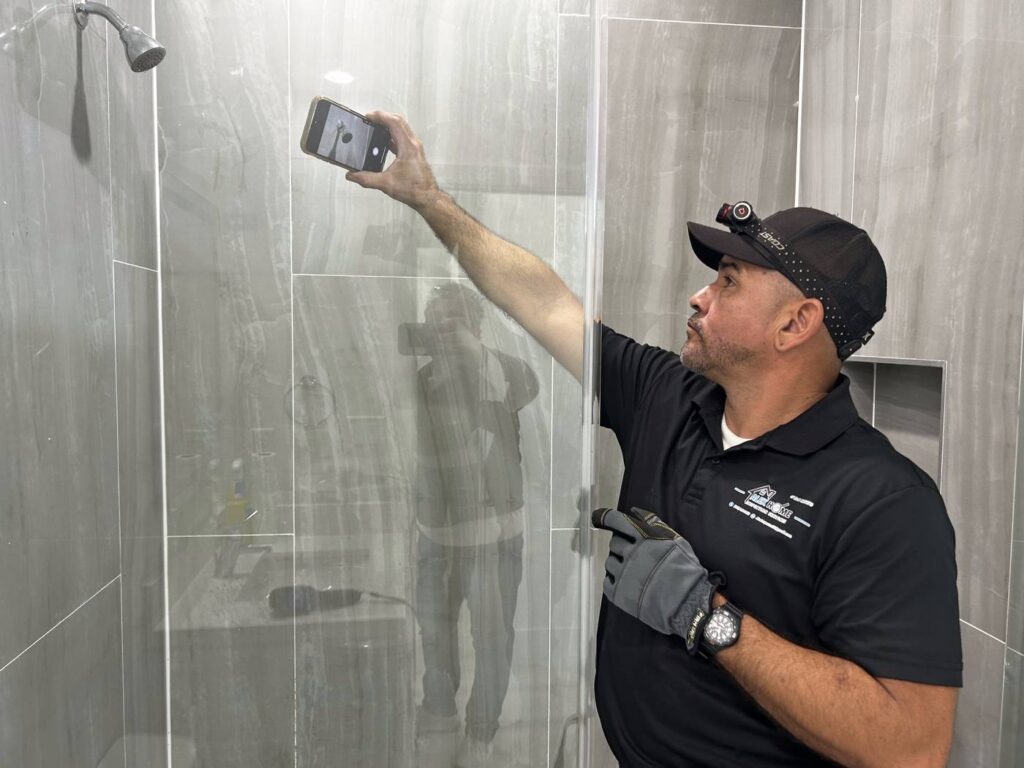
The full home inspection is for you. It is a broad, visual, non-invasive look at the condition of the house — structure, systems, roof, exterior, interior, everything accessible. Nobody requires it. It is the one that protects you from surprises.
The 4-point inspection is for the insurance company. It covers exactly four systems: roof, electrical, plumbing, and HVAC. For each, the inspector documents age, material, and condition, with photographs. Carriers typically require it on older homes — a 40-year threshold is close to universal, 30 years is common, and some carriers still start asking at 20. It usually runs somewhere in the range of $75 to $200 and the report is generally treated as valid for about a year.
The wind mitigation inspection is for your wallet. It documents the features of the home that resist wind damage so your insurer can apply discounts you have already earned. It uses a standardized state form, OIR-B1-1802, and the report is typically good for five years.
Alex Home Inspection Services provides all three.
That last one is worth pausing on, because it is the only inspection on the list that tends to pay for itself.
Wind mitigation: the report that gives money back
A wind mitigation inspection looks for things like roof covering type and its permit history, roof deck attachment, the roof-to-wall connection, roof shape, secondary water resistance, and opening protection such as impact-rated windows and shutters.
The roof-to-wall connection matters more than most homeowners realize. Straps and clips that tie the roof structure down to the walls earn meaningfully more credit than older toe-nail construction.
On savings, be a little skeptical of big round numbers. Many of the sources quoting 25 to 45 percent are lead-generation sites for inspection and roofing companies, which have an interest in the number sounding large. The more defensible framing: discounts commonly apply to the windstorm portion of your premium rather than the whole bill, and reported savings vary widely by home, carrier, and which features you actually have. A house with impact windows, a hip roof, and documented straps saves real money. A 1978 house with none of that may save very little.
One 2026 change worth knowing: the OIR-B1-1802 form was revised effective April 1, 2026 — its first major update in over a decade, following a 2024 wind-loss mitigation study commissioned by Florida’s Office of Insurance Regulation. The new version asks inspectors to substantiate each feature more rigorously, with photographs, product approval numbers, and permit documentation. Practically, that means loose paperwork is more likely to cost you a credit than it used to be. If you have permits or product approval documents for windows, shutters, or roof work, find them before the inspection.
The roof, and the 15-year rule you have a legal right to use
Roof age is the number one reason Florida policies get declined or non-renewed, and there is a specific law about it that many homeowners do not know they can invoke.
Under Florida Statute 627.7011, as amended by Senate Bill 2-D in 2022, an insurer may not refuse to issue or refuse to renew a homeowners policy solely because of roof age when the roof is less than 15 years old.
And for older roofs, the part that actually saves people money: if your roof is 15 years or older, the insurer must allow you to obtain an inspection by an authorized inspector — at your expense — before it can require full roof replacement as a condition of coverage. If that inspection shows the roof has five or more years of remaining useful life, the carrier may not refuse to write or renew solely on the basis of roof age. House Bill 1611, effective July 2024, expanded who counts as an authorized inspector to include licensed roofing contractors.
So if you are told “replace the roof or lose the policy” on a 17-year-old roof in decent shape, that is not automatically the end of the conversation. You have a documented right to have it looked at first.
Six red flags that make a Florida home hard to insure
These are the findings that cause carriers to hesitate or decline. Knowing them before you write an offer is worth a great deal.
1. Federal Pacific, Zinsco/Sylvania, Challenger, and Pushmatic electrical panels. These brands have a documented history of breakers failing to trip, with fire risk as the consequence. Many Florida carriers will not insure a home with one, and some require replacement before they will quote at all. This is the single most common deal-complicating electrical finding in the state.
2. Polybutylene supply plumbing. Common in homes built roughly from the late 1970s into the mid-1990s. It degrades internally from chlorinated water, developing micro-fractures and then failing without much visible warning. Most carriers treat it as unacceptable, not negotiable.
3. Cast iron drain lines in deteriorating condition. Standard in older Florida homes. The problem is that condition cannot be judged from the fixtures — it needs a camera scope of the lines. A visual inspection can tell you cast iron is present; it cannot tell you how much life is left. If the home is old enough to have it, budget for the scope.
4. An aged HVAC system. Florida runs cooling hard for most of the year. Age and condition both get documented on the 4-point, and an old system can complicate a policy in addition to being a large near-term expense. Get the manufacture date off the data plate rather than the seller’s estimate.
5. Water heater age. Small item, disproportionate weight. Carriers look at it, and an old tank is both a coverage question and a genuine water-damage risk.
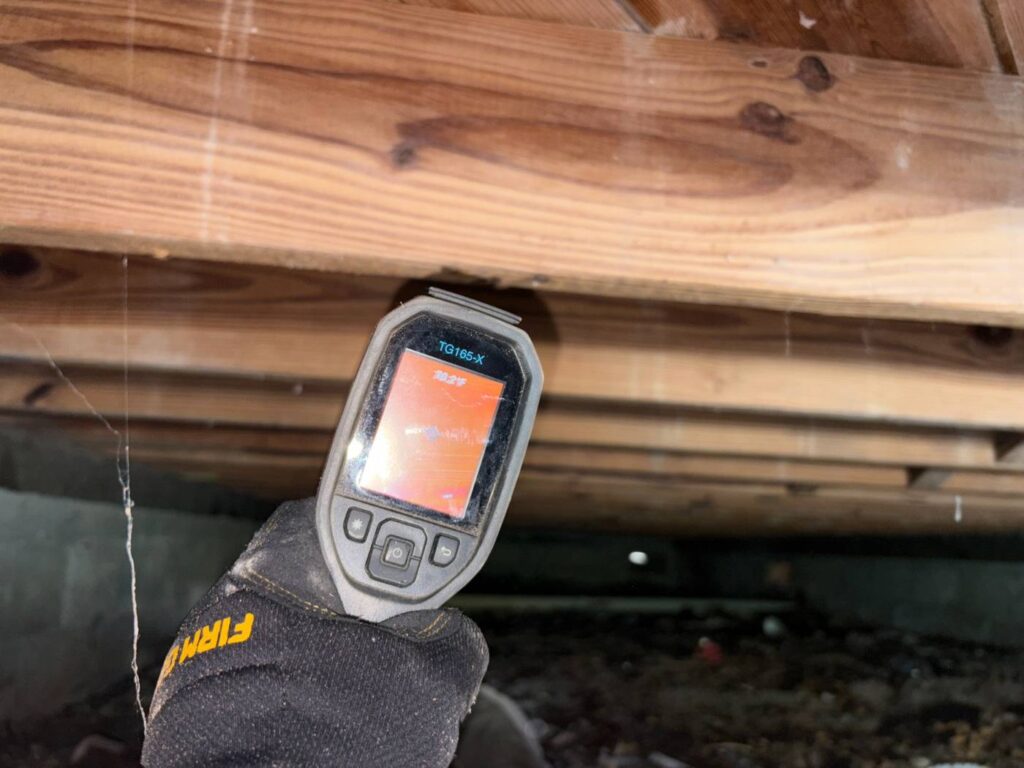
6. Prior water intrusion, and the moisture that follows it. In this climate, humidity means a leak does not stay a leak — it becomes a mold and air quality issue faster than it would almost anywhere else. Staining, previous repairs, musty odor, and elevated moisture readings all deserve to be run down rather than waved off. A tidy patch of fresh drywall in one corner of a ceiling is a question, not an answer.
What a home inspection is not
Worth being direct about, because misunderstanding it causes most of the friction at closing.
A home inspection is a visual, non-invasive assessment of accessible conditions on the day of the inspection. Your inspector does not open walls, does not scope drain lines unless that is a service you have specifically arranged, and cannot promise nothing will break next month. It is not an appraisal. It is not a code compliance certification. It is not a warranty, and it is not an insurance binder.
What it is: the most complete honest picture of the home available to you before you are committed.
A word on who you hire
Florida licenses home inspectors through the Department of Business and Professional Regulation. Licensure requires 120 hours of state-approved pre-licensing education, passing an approved examination, a background check, and general liability coverage of $300,000. Licenses renew every two years, and renewal requires 14 hours of continuing education — 12 hours on home components and 2 hours specifically on hurricane wind mitigation.
You can look up any Florida inspector’s license status yourself at MyFloridaLicense.com. Before you hire anyone, do it.
Before you waive the inspection
In a hot market, buyers get told that waiving inspections makes an offer more competitive. In Florida specifically, that advice carries a risk it does not carry in other states: you are not only giving up your look at the condition of the house, you are giving up your early warning on whether the house is insurable.
Discovering a Federal Pacific panel or polybutylene supply lines after closing is an expense. Discovering it during your inspection period is a negotiation.
Buying in Florida? Alex Home Inspection Services LLC provides full home inspections, 4-point insurance inspections, and wind mitigation inspections, with reports delivered within 24 hours. Florida license #HI-15079. Call (508) 246-3465 or schedule online.