
Septic Tank Inspection Before Buying a Home in Florida
Buying a home with a septic system requires more than a standard walkthrough. A septic tank inspection before buying a home is one of the most important steps in protecting both home buyers and Realtors from costly surprises after closing.
Unlike municipal sewer systems, septic systems operate independently underground. Problems are often hidden, and failure can result in expensive repairs or even full system replacement. For Florida home buyers, this inspection is not optional — it is protection
Why a Septic Tank Inspection Before Buying a Home Is Essential
A septic system is buried underground, which means:
You cannot see its internal condition during a showing
Failures may not present immediate warning signs
Repairs can cost thousands of dollars
Drain field replacement can be extremely expensive
Common issues found during septic inspections include:
Cracked or deteriorated tank walls
Damaged or missing inlet and outlet baffles
Drain field saturation or failure
Improper installation
Excessive sludge accumulation
Root intrusion
Signs of past overflow or backup
For home buyers in Florida, identifying these concerns before closing provides leverage, clarity, and peace of mind.
For Realtors, recommending a septic inspection demonstrates professionalism and protects your clients from avoidable risk.
How a Septic System Inspection Is Performed (Based on InterNACHI Standards)
At Alex Home Inspection Services, septic inspections follow professional standards consistent with InterNACHI guidelines.
Here is how a septic tank inspection is typically performed
1. System Location and Identification
The inspection begins by locating:
The septic tank
Access lids or risers
The distribution box (when accessible)
The drain field area
Understanding the layout is critical to evaluating overall system performance.
2. Opening and Inspecting the Tank
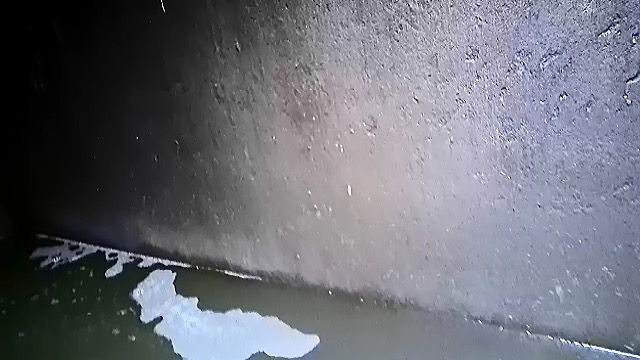
The tank lid is carefully opened to evaluate:
Liquid level inside the tank
Structural condition of tank walls
Signs of cracking or deterioration
Evidence of leaks
Water level abnormalities
An unusually high water level may indicate drainage problems. A low level may indicate leakage.
3. Inspection of Inlet and Outlet Baffles
Baffles regulate wastewater flow and prevent solids from entering the drain field.
During inspection, we check for:
Proper attachment
Cracks or corrosion
Missing components
Debris obstruction
Damaged baffles are one of the leading causes of premature drain field failure.
4. Sludge and Scum Level Evaluation
Sludge accumulation is measured to determine:
Whether pumping is recommended
Whether maintenance has been neglected
Excess buildup reduces tank capacity and increases the risk of system backup.
5. Drain Field Surface Evaluation
Although the drain field is underground, visible signs of failure may include:
Standing water
Foul odors
Soil saturation
Excessively green or lush grass
These symptoms may indicate poor absorption or system overload.
6. Functional Flow Test
A controlled water test may be performed to evaluate system response under simulated use.
The inspector observes for:
Slow drainage
Gurgling sounds
Tank overfilling
Backup into the home
This helps identify performance limitations before closing.
Why Realtors Should Recommend Septic Inspections
For real estate professionals, recommending a septic tank inspection before buying a home:
Reduces post-closing disputes
Protects clients from unexpected repair costs
Demonstrates due diligence
Strengthens buyer confidence
Reduces liability exposure
In Florida, septic replacement can cost thousands of dollars. A pre-purchase inspection is a small investment compared to that risk.
Tips for Homeowners to Protect Their Septic System
Whether you are buying a home or already own one, proper septic maintenance extends system life.
Pump the Tank Regularly
Most systems require pumping every 3–5 years, depending on usage and household size.
Avoid Flushing Non-Biodegradable Items
Never flush wipes, paper towels, grease, or feminine products.
Protect the Drain Field
Do not park vehicles or place heavy structures over the drain field area.
Manage Water Flow
Divert roof runoff away from the drain field and avoid excessive irrigation.
Schedule Routine Inspections
Regular septic evaluations help detect minor issues before they become major repairs.
What Home Buyers Should Ask Before Closing
Before purchasing a home with septic, ask:
When was the system last pumped?
Are maintenance records available?
Has the drain field been repaired or replaced?
Is the system properly sized for the home?
Are there any previous failure reports?
Documentation matters.
Frequently Asked Questions
Do I need a septic inspection before buying a home?
Yes. A septic inspection helps identify hidden system defects that may not be visible during a standard home inspection.
How long does a septic tank inspection take?
Most septic inspections take between 1–2 hours depending on system accessibility and complexity.
Can a failed septic system delay closing?
Yes. Significant septic issues may require repair negotiations before finalizing the sale.

Final Thoughts
A septic tank inspection before buying a home in Florida protects buyers from unexpected expenses and supports Realtors in guiding responsible transactions.
Septic systems are essential components of a home’s infrastructure. Identifying potential issues early ensures informed decisions and smoother closings.
At Alex Home Inspection Services, we provide professional septic inspections following recognized industry standards to help Florida home buyers and Realtors move forward with confidence.
If you are purchasing a property with a septic system, schedule your septic inspection before closing — not after.