
How Home Inspectors Support Insurance Agents in Florida’s Insurance Process
In Florida’s evolving insurance market, insurance agents rely on accurate property documentation to support underwriting, policy renewals, and carrier requirements. Professional home inspectors play a critical role in this process by providing clear, objective evaluations of a property’s condition—helping insurance agents make informed decisions while reducing delays and underwriting complications.
From a home inspection perspective, our role is not to influence coverage decisions, but to deliver reliable documentation that insurance agents and underwriters can confidently use.
The Inspector’s Role in Florida Insurance Reviews
Home inspections tied to insurance needs focus on identifying and documenting key risk factors commonly reviewed by carriers. During these inspections, home inspectors typically evaluate:
Roof condition and remaining useful life
Roof deck attachment and wind mitigation features
Electrical panels and wiring types
Plumbing materials and visible leaks
Signs of moisture or prior water intrusion
This information is essential for insurance agents when reviewing new policies, renewals, or carrier changes.
Why Accurate Documentation Matters to Insurance Agents
Insurance decisions are driven by documentation. A professionally prepared inspection report helps insurance agents:
Respond efficiently to underwriting requests
Clarify whether conditions are active or historical
Support eligibility for wind mitigation credits
Reduce follow-up inspections and rejections
Clear photos, measurements, and explanations allow agents to move policies forward with confidence.
Wind Mitigation Inspections: A Shared Responsibility
Wind mitigation inspections are one of the most important collaboration points between inspectors and insurance agents in Florida.
Properly documenting:
Roof deck attachment (nail type and spacing)
Roof-to-wall connections
Secondary water resistance
Opening protection
can directly affect insurance credits and premium calculations. When this information is verified and clearly reported, insurance agents can accurately apply credits and avoid disputes during underwriting.
Identifying Issues Before They Affect Coverage
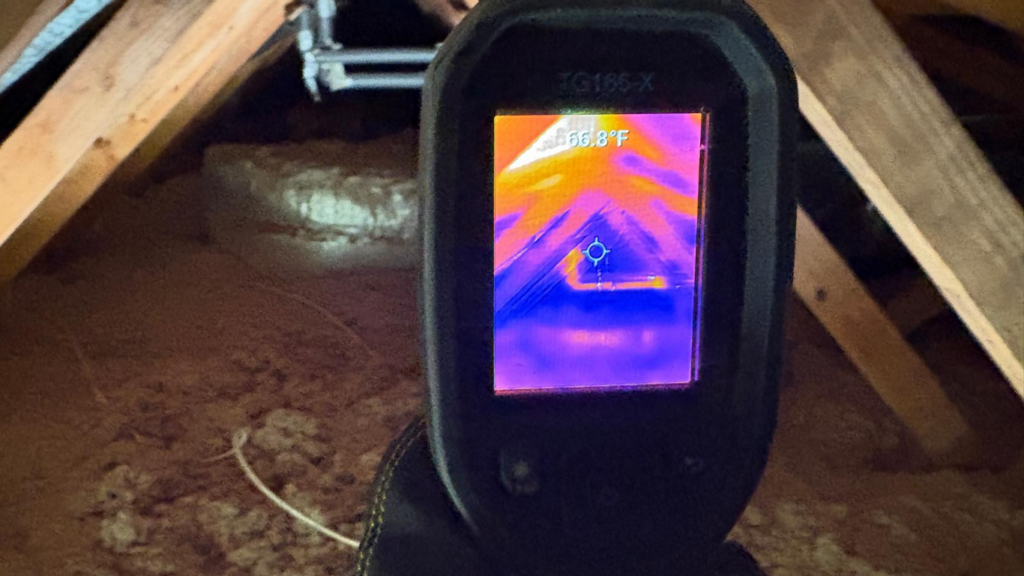
Another key benefit of home inspections is identifying potential insurance issues before they impact coverage eligibility. Examples include:
Active moisture conditions documented early
Aging or deteriorated roofing systems
Obsolete electrical panels flagged before renewal
This proactive documentation helps insurance agents guide their clients and reduce last-minute complications.
A Professional Partnership Built on Accuracy
The relationship between home inspectors and insurance agents works best when built on accuracy, consistency, and communication. Inspectors provide objective findings; insurance agents apply that information within carrier guidelines.
From the home inspection standpoint, the goal remains simple:
provide dependable documentation that insurance agents can trust.
Final Thoughts
As Florida’s insurance requirements continue to change, the collaboration between home inspectors and insurance agents becomes increasingly important. Accurate inspections lead to smoother underwriting, fewer delays, and better outcomes for agents and their clients.
Professional home inspections are not just reports—they are a support tool within Florida’s insurance process.
