
Why Well Inspections Matter for Home Buyers and Realtors in Florida
When purchasing a home in Florida that relies on a private well, a well inspection is one of the most important components of a thorough property evaluation. Unlike municipal water systems — which are regulated and tested daily — a private well’s condition and water quality are solely the responsibility of the homeowner.
For home buyers, skipping a well inspection means assuming unknown risks, including water contamination, system failure, and costly repairs down the line. For Realtors, educating clients on the importance of well inspections demonstrates diligence and professionalism, and it helps protect buyers from hidden issues after closing.
What Is a Well Inspection and Why It Matters
A well inspection evaluates both the mechanical condition of the well system and the quality of the water it produces.
This includes:
The wellhead and casing
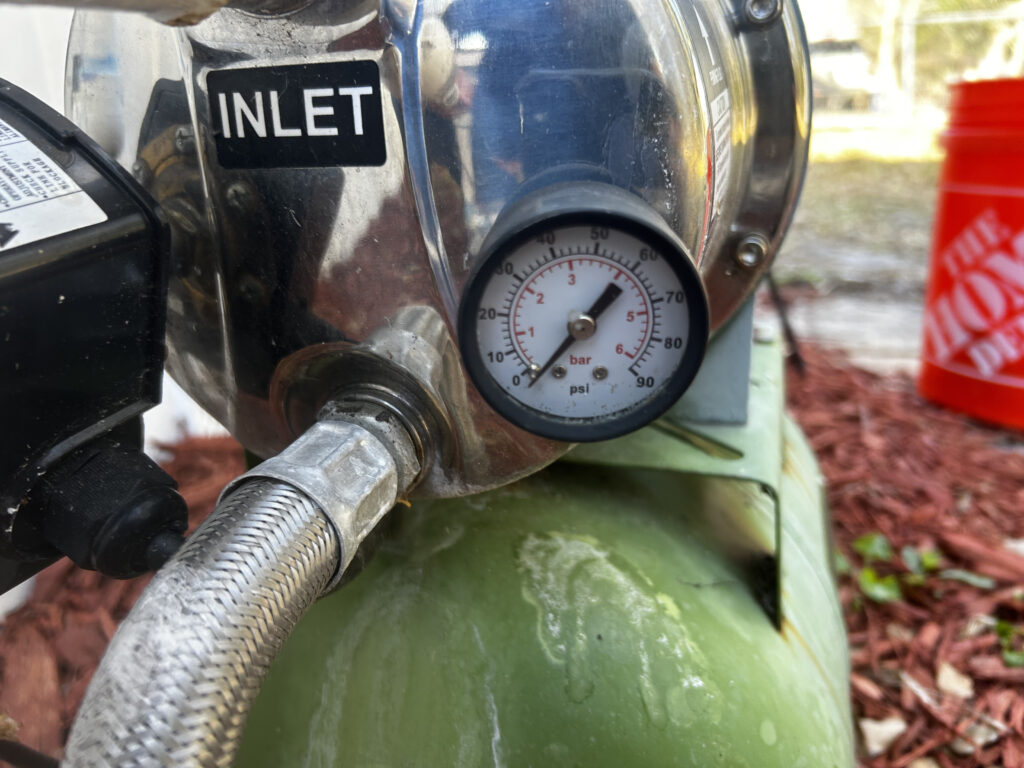
Pump and pressure tank performance
Water quality testing
System components such as piping and seals
Evidence of contamination or deterioration
In Florida, where groundwater levels fluctuate and high humidity can increase bacterial growth, a well inspection provides critical insight into both system integrity and water safety.
How a Well Inspection Is Performed (Professional Standards)
At Alex Home Inspection Services, our well inspections follow industry best practices and standards inspired by associations like InterNACHI — ensuring consistency, thoroughness, and professional reporting.
1. Document Review
Before field work begins, we review available:
✔ Well logs
✔ Maintenance history
✔ Pump and pressure tank records
✔ Water test results (if available)
This background helps frame the inspection process.
2. Visual & Mechanical Evaluation
The inspector then conducts a systematic exterior inspection:
✔ Wellhead condition
✔ Casing integrity
✔ Cap and seal integrity
✔ Evidence of physical damage
✔ Pipe connections
Inside the structure, the inspector evaluates:
✔ Pressure tank performance
✔ Pump cycling and operation
✔ Visible plumbing connections
✔ Signs of leaks or corrosion
3. Water Quality Testing
A critical part of the well inspection is water sampling and laboratory analysis. This can include tests for:
• Bacterial contamination (Total Coliform & E. coli)
• Nitrates and nitrites
• pH and mineral content
• Hardness
• Iron, manganese, and sulfur compounds
• Other local contaminants of concern
In Florida, bacterial contamination is one of the most common issues due to shallow aquifers and surface runoff. Ensuring water meets health standards is essential before closing on a property.
4. Functional Testing
The inspector reviews how the system performs under normal use:
✔ Consistent water pressure
✔ Pump cycling frequency
✔ Water flow rate at fixtures
✔ Pressure tank response
Abnormal pressure behavior or weak flow can indicate well or pump issues.
5. Reporting and Recommendations
After the inspection, home buyers and Realtors receive a detailed report with:
📌 Clear descriptions of well condition
📌 Water test results (lab report)
📌 Photographs and findings
📌 Recommended repairs or further evaluations
📌 Maintenance and monitoring suggestions
Professional reporting ensures buyers fully understand their well system before closing.

Common Issues Found During Well Inspections
Home inspectors often identify problems that are easy to overlook:
• Bacterial Contamination
One of the most common water quality issues, especially in high-rainfall states like Florida.
• High Mineral Content
Hard water, iron, and manganese can affect plumbing and appliance performance.
• Aging or Failing Pumps
Pump failures can be costly to diagnose and replace.
• Pressure Tank Deterioration
A failing pressure tank can lead to inconsistent water delivery or pump short cycling.
• Improper Wellhead Seals
Poor seals allow surface water and contaminants to enter the well casing.
Why Realtors Should Recommend Well Inspections
For real estate professionals, well inspections:
✔ Enhance buyer confidence
✔ Reduce post-closing disputes
✔ Demonstrate thorough due diligence
✔ Protect your reputation
✔ Add value to your client relationships
Many buyers only learn of well system issues after closing — often when problems become unavoidable.
Recommending a well inspection during the contingency period helps avoid:
Delay in closing
Expensive repairs
Health and safety concerns
Tips for Home Buyers to Protect Their Well System
Even after a successful inspection, ongoing care keeps a well functioning optimally.
1. Test Water Annually
At minimum, test for bacteria and nitrates each year.
2. Keep Chemicals Away
Avoid storing pesticides, fertilizers, or fuel near the well.
3. Maintain Proper Surface Drainage
Ensure grading directs surface water away from the wellhead.
4. Pump Maintenance
Have a licensed pump professional service mechanical components as needed.
5. Avoid Contaminants
Use non-toxic cleaning products when possible and properly seal unused plumbing outlets.
Final Thoughts
A well inspection is far more than a checkbox — it’s a critical step in protecting the health, safety, and financial well-being of home buyers. For Realtors, recommending and understanding well inspections strengthens your professional service and helps ensure successful transactions.
At Alex Home Inspection Services, we follow established procedures for well inspections, complete with visual evaluation, mechanical checks, and water quality testing, to give Florida home buyers clarity and confidence before closing.
👉 Schedule a well inspection today if the property you’re considering uses a private well.