
Well water testing in Florida is easy to put off until something looks or smells wrong. This summer is a good reason not to wait. Since early July, Florida’s Department of Health has issued a steady run of blue-green algae health alerts across the state, including several rounds for Lake Okeechobee and a fresh alert for Lake Howell in Seminole County after a water sample taken August 5. If you live on a private well near a lake, canal, or slow-moving waterway, this is a timely moment to make sure your own water supply has actually been checked, not just assumed to be fine.
A Summer of Algae Alerts Across Florida
The pattern this year has been persistent rather than isolated. The Florida Department of Health in Martin County has issued blue-green algae health alerts for areas of Lake Okeechobee multiple times since July, most recently with a water quality health advisory posted August 19 and a bloom alert on August 10. Palm Beach and Glades counties have issued similar cautions for other sections of the same lake, and WGCU/WUSF reporting this summer described the outbreak as one of the more significant in recent years, with algae covering a large share of the lake’s surface. Seminole County’s health department separately flagged Lake Howell after an August 5 sample came back positive for algal toxins.
None of this is unique to Lake Okeechobee. Blue-green algae, more accurately called cyanobacteria, are naturally present in most Florida lakes and slow-moving water and bloom under a familiar combination of warm water, still conditions, sunlight, and excess nutrients, exactly the conditions much of the state sees through late summer. You can check current, official conditions statewide any time on the Protecting Florida Together water quality dashboard or the Florida DEP Algal Bloom Dashboard.
Does an Algae Bloom in the Lake Affect My Well?
This is the question we hear most from homeowners on well water once a nearby lake shows up in the news. The honest answer is: it depends on the well, and it is worth checking rather than assuming either way. That uncertainty is exactly why well water testing in Florida shouldn’t be optional for homes near affected water bodies.
The Direct Contact Risk Is Clear
Florida’s health alerts are explicit about surface water contact. According to DOH guidance, people, pets, and livestock should not drink, swim, wade, or otherwise come into contact with water where a bloom is visible, and boiling contaminated water does not remove the toxins. That risk applies to anyone using the lake, canal, or pond directly, for swimming, fishing from the bank, or letting pets drink from the water’s edge.
The Groundwater Question Is Less Settled
Florida’s deep, protected aquifers are generally well insulated from surface contamination, which is one reason the state’s groundwater is usually clean. But shallow wells, older or poorly sealed wells, and wells sited close to a lake or canal have a more direct hydraulic connection to surface water, especially after heavy rain or flooding events common in Florida summers. The Florida Department of Health does not currently set a specific drinking water standard for algal toxins in private wells, which is exactly why routine testing, rather than assumption, is the only way to know your water’s actual condition.
What a Bloom Actually Looks Like
Blue-green algae blooms can appear as thick green or blue-green paint-like scum, floating mats, or a discoloration that ranges from bright green to reddish-brown, often with a distinct musty or unpleasant odor. But DOH guidance is clear that cyanobacteria can be present in the water even when no visible bloom has formed yet, which means a canal or retention pond that looks clear on a given day isn’t automatically free of algae or its toxins. That’s part of why relying on how the water looks, rather than lab results, isn’t a reliable way to judge either surface water or well water safety.
This matters for a lot more Florida properties than just lakefront homes. Canal-front lots, homes backing up to retention ponds, and rural properties near slow-moving creeks and sloughs all share the same conditions that let algae take hold, and many of these properties rely on private wells rather than municipal water.
Why Well Water Testing in Florida Matters More During Algae Bloom Season
Algae blooms aside, the Florida Department of Health’s standing guidance for every private well owner is the same: test your well water for bacteria and nitrate at least once a year, and test for lead roughly every three years. The CDC’s well water testing guidelines recommend the same annual baseline, since about 12% of Florida residents rely on private wells or limited-use systems that are not covered by the routine monitoring required of public water systems.
Homeowners near a lake or canal currently under a health alert have an added reason to stay current on testing this season, particularly if the well is shallow, older, or has never been tested. A state-certified lab can also test for additional parameters beyond the standard bacteria and nitrate panel when local conditions warrant it, and your county health department can advise on what else makes sense for your specific location.
What a Water Quality Lab Test Actually Checks
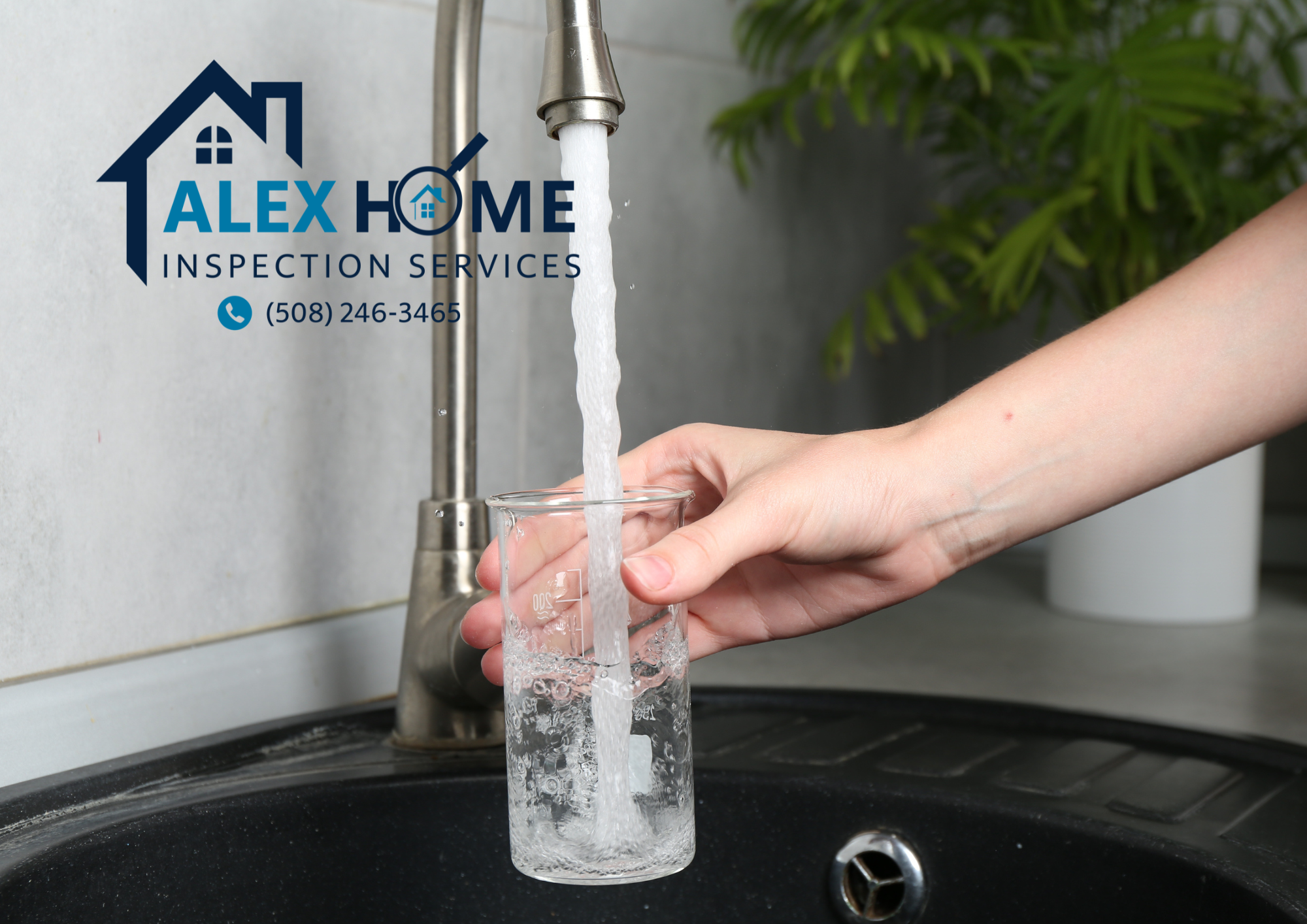
A proper well water test starts with a certified lab, not a home test strip. At minimum, Florida’s guidance points to coliform bacteria and nitrate as the baseline every well owner should check annually. Depending on your well’s age, depth, and proximity to surface water, additional testing can cover lead, other heavy metals, and site-specific contaminants your local health department may recommend. Results come back with clear pass/fail thresholds against Florida’s drinking water standards, so you know definitively whether your water is safe rather than relying on how it looks, tastes, or smells. In short, well water testing in Florida is inexpensive insurance against a problem you can’t see, smell, or taste.
We covered a related well water concern, PFAS “forever chemicals,” in our earlier post on PFAS in well water for Florida homebuyers. Algal toxins and PFAS are different contaminants with different sources, but both make the same point: private well water is only as safe as your last test says it is.
What to Do If You Live Near an Affected Lake or Canal
A few practical steps if you’re on a well near water currently under a DOH algae alert, or simply due for your annual check:
- Avoid direct contact with any lake, canal, or pond showing visible scum, discoloration, or an unpleasant odor, and keep pets and livestock away from it entirely.
- Don’t assume your well is unaffected just because your tap water looks and smells normal. Cyanotoxins are not always detectable by sight or smell.
- Schedule a certified water quality lab test for your well if it has not been tested in the past year, especially if your well is shallow or sits close to surface water.
- Check current conditions for your specific waterbody on the Protecting Florida Together dashboard before assuming a bloom has cleared.
- If you’re buying a home on a well in Florida, request current water quality lab results as part of your due diligence, alongside a full home inspection.
For Buyers Working With an Agent
If you’re under contract on a home with a private well, especially one near a lake, canal, or retention pond, ask your real estate agent whether recent water quality results exist, and if not, whether the inspection period allows time to get one. A water quality lab test typically turns around quickly enough to fit inside a standard Florida inspection contingency, and it gives you something concrete to point to rather than a seller’s word that “the water’s always been fine.” That’s true whether or not there’s an active algae alert nearby, but it’s an especially easy ask to justify while one is in the news.
Algae blooms will ease as temperatures drop later in the year, but the underlying reason to test your well doesn’t go away with the season. A clean bill of health on your water supply is worth confirming with real lab results, not a guess.
Alex Home Inspection Services LLC provides water quality lab testing along with full home inspections, 4-point insurance inspections, wind mitigation inspections, sewer/drain camera scoping, and septic tank inspections, with reports delivered within 24 hours. Florida license #HI-15079. Call (508) 246-3465 or schedule online.