


Unpermitted work in Florida homes just got a little more common, and a little harder to spot. On July 1, 2026, a new state law, CS/CS/HB 803 (Chapter 2026-63, Laws of Florida), took effect and changed what small residential projects require a building permit at all. For most sellers and contractors, it means less paperwork. For buyers, it means the absence of a permit record no longer tells you much about what has actually been done to a house.
At Alex Home Inspection Services, we walk through Florida homes every week that have been renovated, patched, or expanded without anyone pulling a permit. That was already common before this law. Now it is, in a narrow but real way, legal.
The change affects more people than it sounds like at first. It applies to homeowners doing their own small repairs, contractors handling minor jobs for clients, and sellers who touched up a property before listing it. It does not change what a buyer needs to know before they close, or what an insurance carrier needs to know before they issue or renew a policy.
What Florida’s New Permit Law Actually Changed
According to the official Florida Senate bill summary, HB 803 requires local governments, outside of flood hazard areas, to exempt two categories of residential work from building permitting:
- Work on single-family residential property valued at $7,500 or less, excluding any electrical, plumbing, structural, mechanical, or gas work.
- Installation of temporary residential hurricane and flood protection walls or barriers that meet specified standards.
The law also sets other changes that touch homeowners indirectly, including a one-year expiration for single-family building permits, a five-day response requirement for permit applications on work valued under $15,000, and new limits on how local governments calculate inspection fees. The full legislative history and bill text are available on the Florida Senate’s official bill page.
What Still Requires a Permit
The exemption is narrower than it sounds. Florida Statute governs how local building departments issue and enforce permits generally, and this new exemption does not touch structural, electrical, plumbing, mechanical, or gas work at any price point. A homeowner who repaints a shed, replaces a section of fence, or swaps out cabinet hardware for under $7,500 likely does not need a permit. A homeowner who reroutes a circuit, adds a gas line, or alters load-bearing framing still does, regardless of the dollar amount. Projects located in a flood hazard area are excluded from the exemption entirely, and the law includes language aimed at contractors who might try to split a larger job into smaller pieces specifically to dodge the threshold.
Why the $7,500 Threshold Deserves a Second Look
Seventy-five hundred dollars covers more than most homeowners assume. Replacing exterior siding on a small section of wall, rebuilding a set of exterior stairs, adding a shed or storage structure, resurfacing a driveway, or installing a fence can all fall under that number depending on materials and labor. None of it is necessarily dangerous work, but none of it is inspected by a local building official either, which means quality depends entirely on who did it and how carefully.
Why Unpermitted Work in Florida Homes Is Harder to Track Now
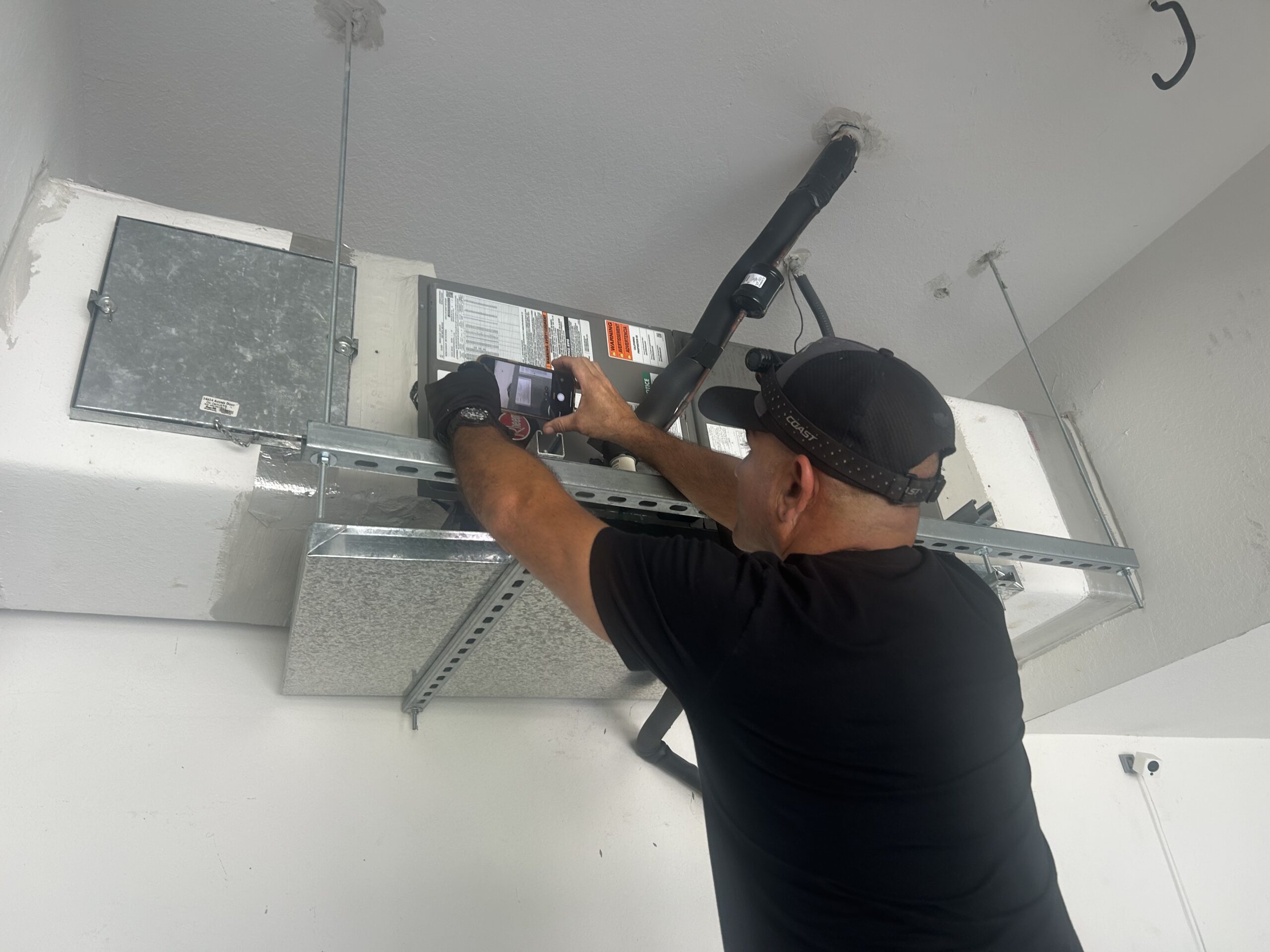
Before this law, a buyer or their agent could pull a property’s permit history from the local building department and get a reasonably complete picture of what work had been done and inspected. That record is still useful, but it is no longer the full story. Small projects that fall under the new exemption will never generate a permit, an inspection, or a paper trail, even when they touch things a future buyer would want to know about, like a converted storage room, a new deck, or exterior waterproofing.
That gap matters most for older homes and for properties that have changed hands, or changed contractors, multiple times. Layered, undocumented work is exactly what a general home inspection is built to catch, permit or no permit.
How This Affects Insurance and Resale
Florida’s property insurance underwriting leans heavily on documented, up-to-date information about a home’s condition. A current 4-point inspection already looks past whatever the county’s permit file says and directly examines the roof, electrical, plumbing, and HVAC systems as they exist today. That approach becomes more important, not less, when permit records can no longer be assumed to reflect every change made to a house.
The same logic applies to buyers negotiating a purchase. If a seller’s disclosure or MLS listing mentions a renovated bathroom, an expanded patio, or new flooring, a permit search alone may not confirm whether that work was done safely or up to code, since qualifying projects are no longer required to leave that record behind. We covered a related shift in the market in our earlier post on Florida homeowners losing Citizens insurance coverage, where documented, current inspection findings made the difference in whether a policy could be written or renewed.
What a Home Inspection Catches That a Permit Search Won’t
A licensed home inspection does not rely on what the county has on file. It physically evaluates the roof, attic, foundation, electrical panel, plumbing, HVAC system, and structure as they exist on the day of the visit. That is precisely why it remains the most reliable way to understand a Florida home’s real condition, permitted or not.
During a full inspection, we routinely flag signs of work that was never permitted or inspected by a professional, things like mismatched electrical wiring, improperly vented gas appliances, framing modifications without adequate support, or plumbing that does not meet current code. Under the old rules, some of that work should have had a permit and didn’t. Under the new rules, some of it legally never will. Either way, a hands-on inspection is what surfaces it before closing rather than after.
Our Florida home inspection checklist covers the specific red flags our inspectors look for on every visit, including several categories of work that are now exempt from permitting under the new $7,500 threshold.
What This Means If You’re Selling
Sellers benefit from the new exemption in the short term, since small fixes and touch-ups no longer mean a trip to the permit counter. But that convenience can work against a seller at closing. Buyers and their agents are increasingly aware that a permit search is no longer a complete record, and a well-documented, professional inspection report can head off questions or renegotiation later. Keeping receipts, contractor invoices, and photos of any work done before listing, even exempt work, gives buyers something concrete to look at when a permit simply won’t exist. That’s the practical risk with unpermitted work in Florida homes: it can sit invisible for years until a buyer’s inspector finds it at the worst possible time.
What Buyers and Owners Should Do Now
A few practical steps make sense given the change:
- Do not treat a clean permit history as proof that a home has no unpermitted work. Under the new exemption, some qualifying projects will never appear in that record.
- Ask sellers directly about any renovations, additions, or repairs made in the last several years, even small ones, and get it in writing where possible.
- Schedule a full home inspection before closing on any resale property, regardless of how recently it was renovated or how clean the listing photos look.
- For homes in flood hazard areas, remember the new exemption does not apply. Permits and inspections are still required there, even for work under $7,500.
- If you’re insuring or reinsuring a home, pair your inspection with a current 4-point or wind mitigation report so your carrier is working from up-to-date information rather than assumptions based on the property’s age or permit file.
Florida’s permitting rules will likely keep evolving as local governments adjust to HB 803’s requirements over the next year. What won’t change is the value of an independent, physical inspection that tells you what’s actually inside the walls, permitted or not.
Alex Home Inspection Services LLC provides full home inspections, 4-point insurance inspections, wind mitigation inspections, sewer and drain camera scoping, water quality lab testing, and septic tank inspections, with reports delivered within 24 hours. Florida license #HI-15079. Call (508) 246-3465 or schedule online.