
How Playground Inspections Work: What Every HOA, School, Church, and Property Manager Should Know
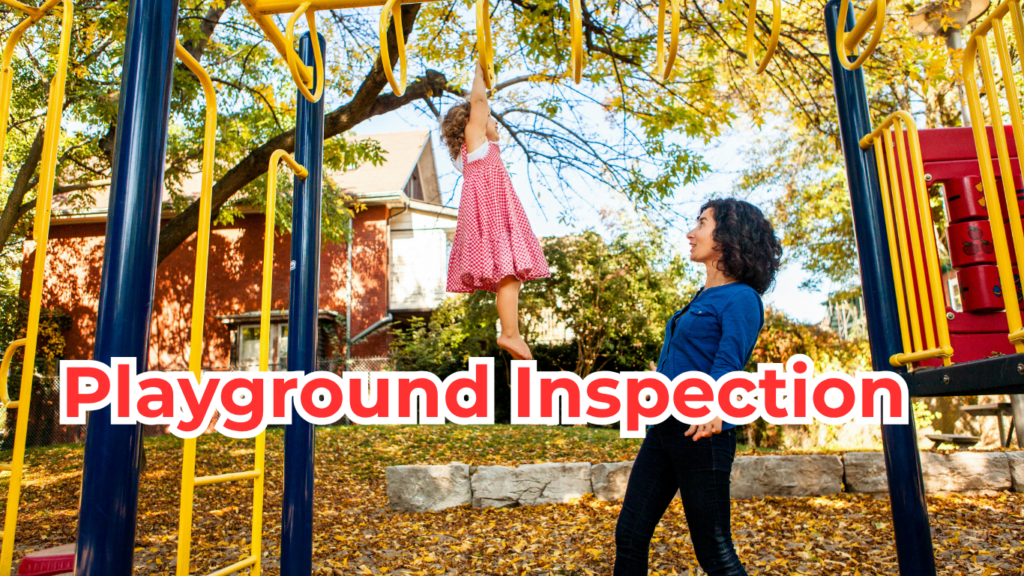
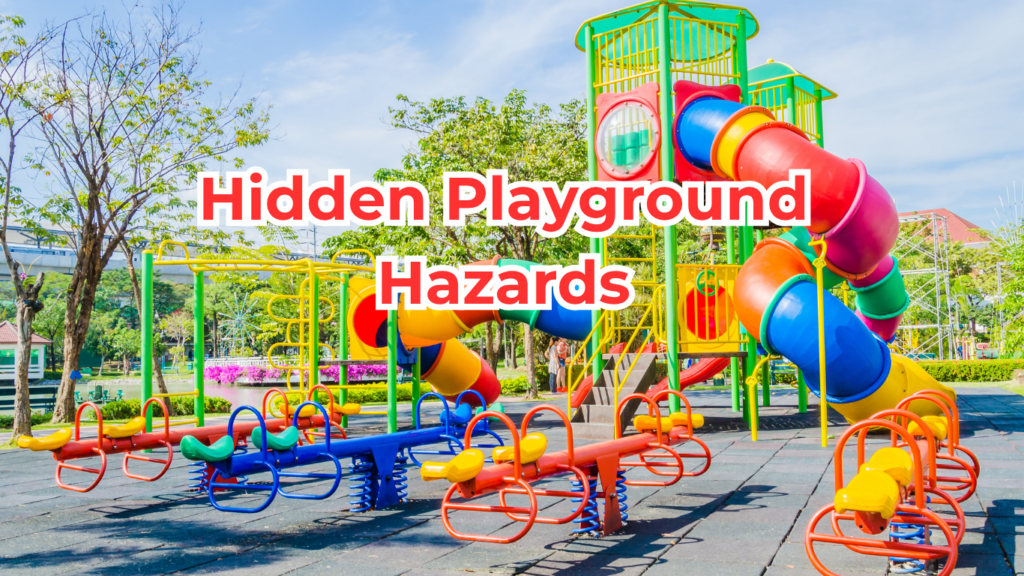
How Playground Inspections Work: What Every HOA, School, Church, and Property Manager Should Know A playground is one of the most valued amenities in any community. It provides children with a place to play, learn, exercise, and build friendships. But keeping a playground safe requires more than routine maintenance. It requires regular inspections that help identify hazards before they become accidents. Many people ask us: “What actually happens during a playground inspection?” The answer is simple: a professional playground inspection is a systematic evaluation of the equipment, surfacing, and surrounding play area to identify conditions that could increase the risk of injury. Here’s what the inspection process typically includes. Step 1: Visual Assessment Every inspection begins with a complete visual evaluation of the playground. The inspector walks through the entire play area looking for obvious safety concerns, including: Broken equipment Missing components Loose or damaged hardware Rust and corrosion Sharp edges Vandalism Trip hazards General maintenance issues This first step provides an overall picture of the playground’s condition. Step 2: Equipment Inspection Next, each piece of playground equipment is inspected individually. This includes: Slides Swings Climbers Platforms Bridges Handrails Guardrails Roof structures Panels The inspector checks for wear, stability, proper installation, and damaged components that may require repair or replacement. Step 3: Safety Surfacing Evaluation One of the most important parts of any playground inspection is evaluating the protective surfacing. Falls are the leading cause of playground injuries, making the surface beneath the equipment just as important as the equipment itself. The inspection includes checking: Surface depth Areas where material has been displaced Drainage Compaction Bare spots General condition of the impact-absorbing material Proper surfacing helps reduce the severity of injuries if a child falls. Step 4: Identifying Safety Hazards The inspector evaluates the playground for hazards that may not be obvious during everyday use. These include: Head entrapment hazards Protrusions Pinch points Crush hazards Entanglement hazards Damaged barriers Unsafe openings These conditions require careful evaluation because they may present significant risks to children. Step 5: Fall Zones and Clearance Areas Every piece of playground equipment requires adequate space around it. During the inspection, the surrounding area is evaluated to verify that: Fall zones are clear Equipment spacing is appropriate Obstacles are not located within safety zones Children have adequate room to play safely Proper spacing helps reduce collisions and injuries. Step 6: Maintenance Review Every playground experiences normal wear from daily use and Florida’s weather. The inspection documents maintenance items that should be addressed before they become larger problems. Examples include: Loose bolts Missing caps Worn swing components Faded protective coatings Rusted hardware Damaged surfacing Preventive maintenance is usually far less expensive than major repairs. Step 7: Inspection Report After the inspection, a detailed report is prepared. The report typically includes: Observed safety concerns Photographs Maintenance recommendations Items requiring repair Areas that should be monitored The report helps property owners prioritize maintenance and plan future repairs. Why Playground Inspections Matter A playground may appear safe during a quick visit. However, weather, heavy use, and normal wear gradually affect playground equipment throughout the year. Routine inspections help identify developing hazards before they become injuries, protecting children while helping property owners maintain their investment. Who Benefits From Regular Playground Inspections? Professional playground inspections are valuable for: HOA communities Schools Churches Daycare centers Apartment communities Municipal parks Property management companies Every organization responsible for children’s safety benefits from understanding the condition of its playground. Final Thoughts A playground inspection is much more than looking for broken equipment. It is a systematic evaluation designed to identify hidden hazards, improve safety, and help owners maintain a playground that children can enjoy with confidence. At ALEX Home Inspection Services, we believe every child deserves a safe place to play. Through professional playground inspections, we help communities, schools, churches, and property managers identify potential hazards before they become accidents. Better call Alex Team. Pedro Portal Alex Home Inspection Mk Director Pedro Portal Let me know How can I help you? Contact us Schedule an Inspection